The Cycle of Destruction and Rebirth
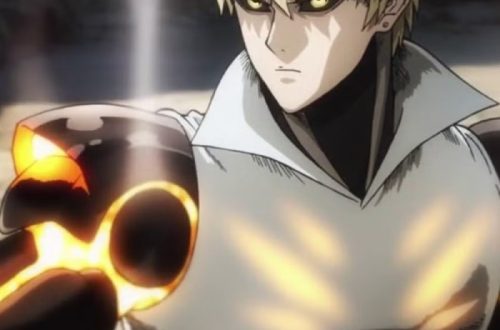
Genos is a character defined by his persistence. He is the Demon Cyborg. However, he is also famous for being destroyed. Many fans discuss the topic of genos death frequently. It seems like he dies in every major arc. But he always comes back stronger. This cycle is a core part of his character. He seeks strength to defeat the mad cyborg. Therefore, he throws himself into danger without hesitation. His body is merely a tool for justice. Consequently, he often underestimates his opponents. This leads to his destruction time and time again. Dr. Kuseno, his creator, always repairs him. This relationship is heartwarming and essential. It highlights Genos’s humanity. He is not just a machine. He has a human brain and a soul.
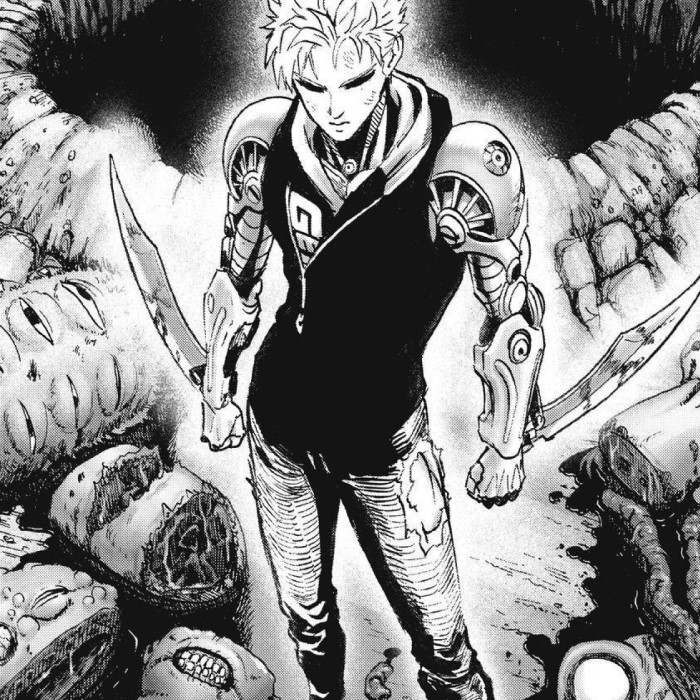
Furthermore, his “deaths” serve a narrative purpose. They show the threat level of the villains. If Genos loses, the enemy is truly dangerous. Thus, his destruction raises the stakes for Saitama. We will explore the most significant times he fell. We will also look at the impact of these moments. His journey is tragic yet inspiring. He represents the struggle for self-improvement. Even when he falls, he gets back up. This resilience makes him a fan favorite.
The Meaning of Being a Cyborg
Genos is not like other heroes. He is a cyborg, which means he is part human. His human parts are minimal. Basically, only his brain remains organic. This unique state blurs the line between life and death. When his body is destroyed, is he dead? Technically, he is not. As long as his core and brain survive, he can be rebuilt. Therefore, genos death is a complex concept. It is usually a temporary state of destruction. However, the emotional weight is real. He feels pain and fear like a human.
Furthermore, he fears failing his master, Saitama. His dedication drives him to fight beyond his limits. He does not worry about his own safety. He only worries about justice and revenge. Consequently, he acts recklessly. This recklessness is a flaw. It shows his lack of experience compared to Saitama. He relies too much on raw power. He lacks the invincibility of his master. Thus, his destruction is a result of his character traits. He is brave but impulsive. He is powerful but fragile. This duality makes him compelling. He is the perfect foil to Saitama.
The Deep Sea King Incident
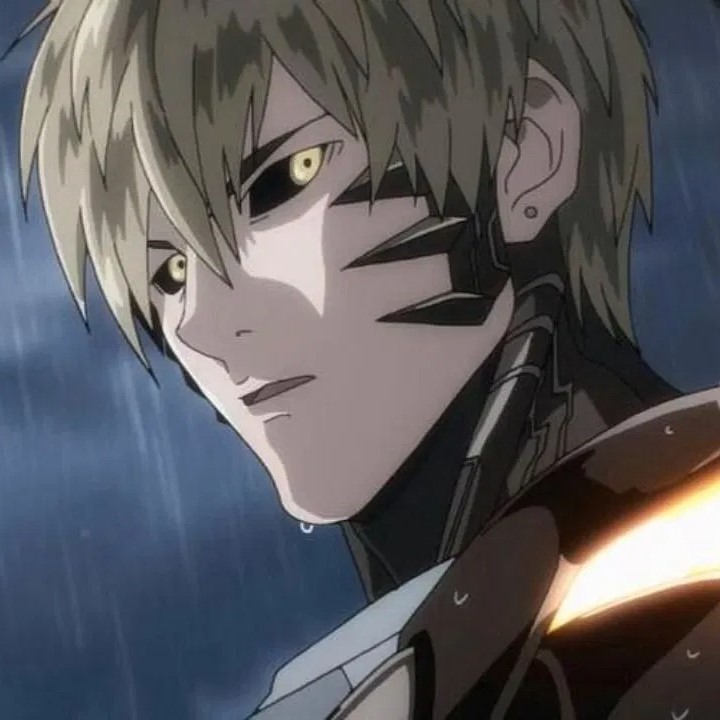
One of the earliest major defeats was against the Deep Sea King. This villain was a terrifying monster. He defeated many heroes easily. Genos arrived with confidence. He wanted to protect the people. Furthermore, he wanted to prove his strength. He fought valiantly at first. However, the Deep Sea King was too fast and strong. During the battle, Genos noticed a civilian in danger. He chose to save the civilian instead of dodging. Consequently, he took a direct hit. His body was severely damaged.
His arm was melted off. He was effectively out of the fight. This moment was crucial for his development. It showed his selflessness. He prioritized a life over his own victory. Therefore, even in “death,” he was heroic. Saitama arrived later to save the day. But Genos’s sacrifice set the stage. It showed the audience the true danger of the monster. It also cemented Genos’s role as a protector. He is willing to sacrifice his body. This incident is a classic example of his destructive destiny.
The Battle Against Elder Centipede
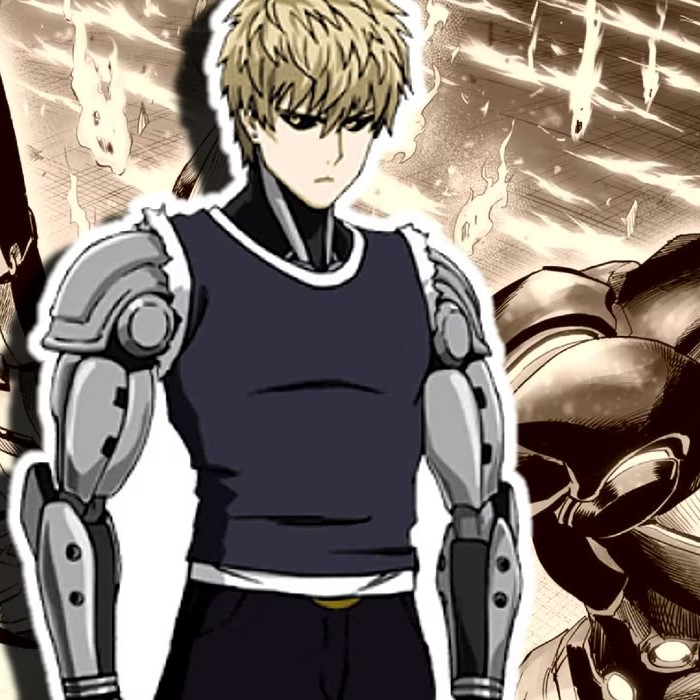
Another significant moment was the fight with Elder Centipede. This monster was massive. It was a Dragon-level threat. Genos, Bang, and Bomb fought together. It was a team effort. Genos used his full arsenal. He fired his rockets and engaged in close combat. However, Elder Centipede’s shell was incredibly durable. Furthermore, the monster regenerated quickly. Genos realized he needed to buy time. He attempted to destroy the monster from the inside. He let his guard down for a moment.
Consequently, the monster crushed him. His body was torn apart. He lay in pieces on the ground. It looked like the end for the Demon Cyborg. Once again, genos death seemed imminent. But Dr. Kuseno had installed a failsafe. Genos used his remaining energy to signal Saitama. He knew his master could finish the job. This moment showed his tactical growth. He knew his limits. He accepted his destruction to ensure victory. Thus, even when broken, he contributes to the fight. He is a reliable soldier in the war against evil.
The Cosmic Fear: Garou’s Assault
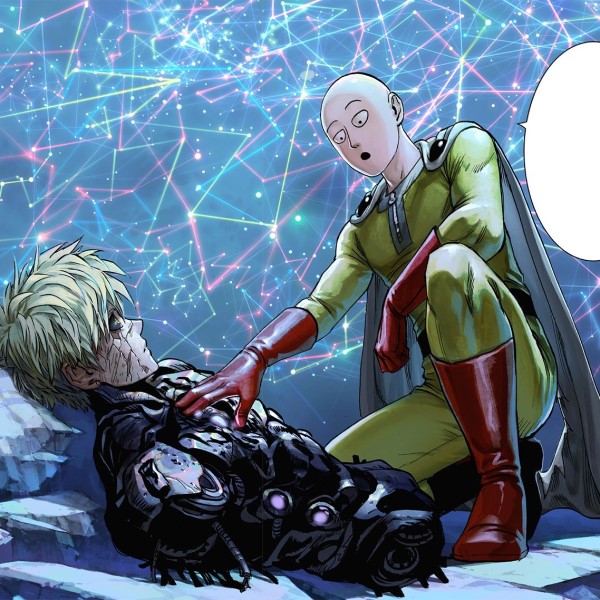
The most impactful “death” occurred during the Monster Association Arc. Garou was evolving rapidly. He became Cosmic Fear Garou. He gained power akin to a god. Genos confronted him alone. He tried to stop Garou’s rampage. However, the power gap was immense. Garou did not just defeat Genos. He ripped out Genos’s core. He crushed the life out of him. This was the most brutal display of violence against Genos. Saitama arrived just in time to see it. He saw his disciple lying dead. The core was destroyed.
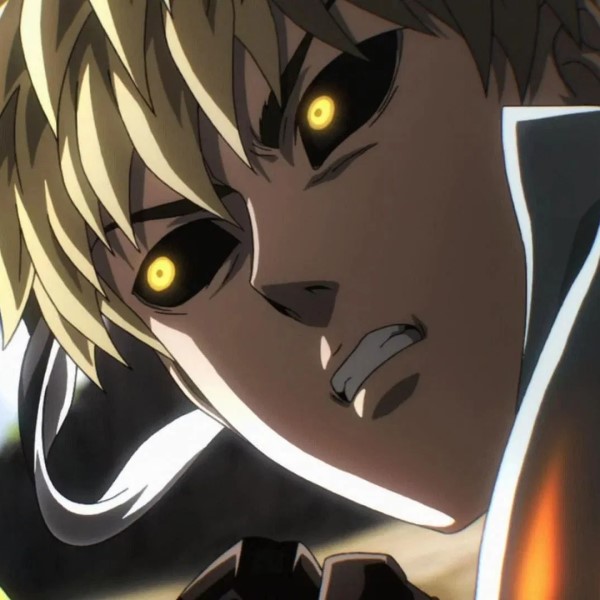
This sight triggered Saitama’s true rage. For the first time, Saitama felt a profound loss. He fought Garou with serious intent. Consequently, this “death” had the biggest narrative impact. It pushed the story into a darker tone. It showed that Genos is the catalyst for Saitama’s emotions. Without Genos, Saitama might not have grown. Thus, this specific destruction was pivotal. It was not just for show. It drove the plot forward significantly.
Saitama’s Emotional Response
Saitama is usually emotionless. He wins fights with one punch. He rarely shows excitement or worry. However, Genos changes that dynamic. When Genos is destroyed, Saitama reacts. In the Garou fight, he was visibly angry. He saw the crushed core. He realized his disciple was gone. This fueled his “Serious Punch.” Furthermore, it showed the depth of their bond. Saitama sees Genos as a friend. He might even see him as a younger brother. Therefore, the loss of Genos is the only thing that hurts him.
It brings out his humanity. In the webcomic, Saitama travels back in time. He undoes the death. But the memory remains. This proves that genos death is the key to Saitama’s character arc. It forces the Caped Baldy to care. Consequently, the story gains emotional weight. It is not just a comedy anymore. It becomes a story about connection and loss. Genos serves as the emotional anchor. His destruction is the trigger for the protagonist’s growth.
The Role of Dr. Kuseno
We cannot discuss Genos’s destruction without Dr. Kuseno. He is the man who maintains Genos. He is like a father figure. Every time Genos is destroyed, Kuseno is there. He repairs the body. He also upgrades the parts. Therefore, death has no permanence for Genos. Kuseno ensures that Genos can continue his fight. This relationship adds a layer of safety. We know Genos will return. However, it also adds sadness. Kuseno worries about Genos. He does not want him to die. Yet, he supports Genos’s quest for revenge.
He builds stronger weapons. He installs better armor. Consequently, the cycle continues. The doctor represents the support system. He is the reason Genos can be so reckless. He provides the safety net. Thus, their partnership is vital to the story. It explains why Genos can “die” so often. He has the best mechanic in the world. The upgrades after each death keep the story fresh. Genos constantly evolves physically, even if he struggles to evolve mentally.
The Symbolism of the Core
The core is Genos’s heart. It is his power source. In the fight with Garou, the core became a symbol. It represented his life force. When Garou crushed it, it symbolized the end. However, in the manga timeline, Saitama saves him. The core is often the only thing left intact. It glows with energy. It represents his undying spirit. Even when his body is scrap metal, the core remains. Therefore, it is the most important part of him. It is the physical manifestation of his will. Furthermore, the core connects him to his past.
It is the engine of his revenge. Without it, he is just scrap metal. Thus, the destruction of his body is secondary. As long as the core beats, Genos lives. This symbolism makes his fights more interesting. We watch to see if the core survives. It creates tension. It also serves as a metaphor. His human heart is gone. But his mechanical heart beats on. He is a testament to resilience. He fights for a future where he finds peace.
FAQ
Did Genos die opm?
Yes, Genos has technically died or been destroyed multiple times. However, he is a cyborg. Dr. Kuseno usually repairs him. In the webcomic timeline against Garou, he was killed, but Saitama reversed time to save him.
Who killed Genos in One Punch Man?
Several enemies have destroyed Genos. The Deep Sea King, Elder Centipede, and Garou are the main culprits. Garou is the one who “killed” him most definitively by crushing his core in the webcomic continuity.
What chapter is Genos’ death?
Genos’s most significant death happens in Chapter 166 of the One Punch Man manga (online release numbering). This occurs during the fight against Cosmic Fear Garou.
Did Saitama feel sad for Genos’ death?
Yes, Saitama felt deep sadness and rage. Seeing Genos destroyed by Garou was the first time Saitama showed true anger. It motivated him to fight seriously and eventually use time travel to undo the event.
Conclusion
In summary, the concept of genos death is complex. It is not a traditional end. It is a recurring motif of sacrifice and resilience. Genos sacrifices himself to protect others. He is destroyed to show the strength of villains. Furthermore, his destruction drives Saitama’s emotional growth. From the Deep Sea King to Garou, he falls and rises again. He is the heart of the Hero Association. His journey is far from over. We look forward to his future battles. We know he might “die” again. But we also know he will return. He is the undying Demon Cyborg.