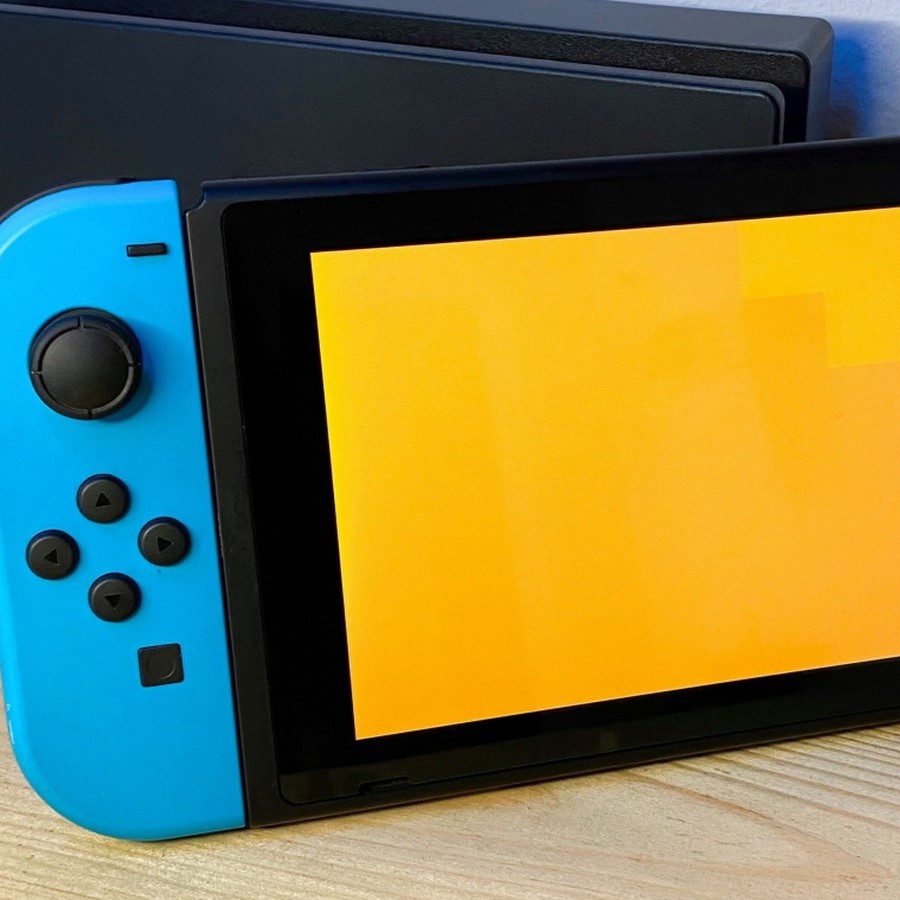
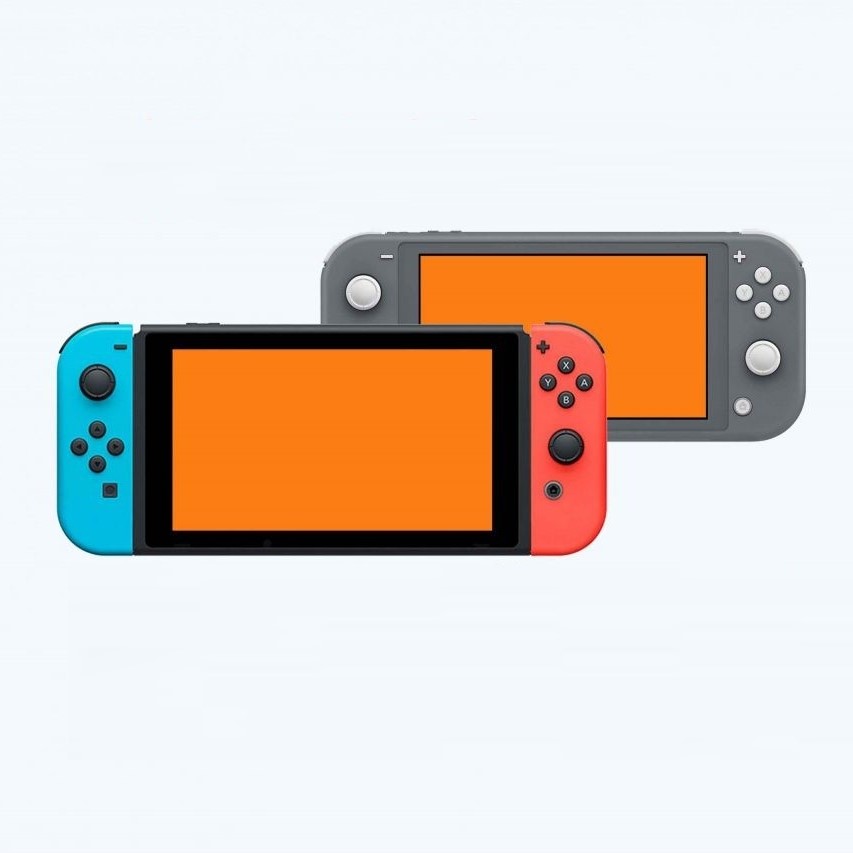
If you’ve ever turned on your Nintendo Switch only to find the screen glowing an unusual orange tint, you’re not alone. Many users have asked, why is my Nintendo Switch screen orange? This issue can appear suddenly and affect gameplay clarity. While it might seem alarming, the cause isn’t always hardware failure. Sometimes, it’s a simple setting or temporary glitch. However, in other cases, it may point to deeper problems like display damage or aging components. Understanding the root cause helps determine whether you need a quick fix or professional repair.
Moreover, this discoloration can vary in intensity. Some screens show a soft amber glow. Others appear fully orange or even reddish. It may happen during specific games, after updates, or all the time. This guide explores every possible reason behind the question—why is my Nintendo Switch screen orange—and how to address it.
 Display Settings That Cause Color Shifts
Night Light Mode, Blue Light Filters, and Accessibility Options
One common reason why is my Nintendo Switch screen orange lies in its built-in settings. The console includes a feature called Night Light mode. This setting reduces blue light emissions in the evening. It warms the screen colors to help with sleep. As a result, everything appears yellowish or orange.
To check this, go to System Settings > Screen > Night Light. If enabled, the screen shifts color based on time of day. You can adjust the warmth level or turn it off completely. Disabling this option often restores normal color balance.
Another accessibility tool is Color Adjustment. Found under System Settings > Accessibility, it allows color filters for visual impairments. If set to “Grayscale” or “Color Correction,” it alters output. Mistaken activation leads to odd tints. Resetting it returns visuals to default.
Additionally, some apps or games apply their own filters. For example, horror titles use red overlays. These stay visible until the app closes. Always exit full-screen apps before judging the screen.
These software-based causes are easy to fix. Simply review your settings. Then disable any unnecessary filters. This resolves the issue in minutes.
Hardware Damage and Physical Issues
Cracked Screens, Internal Wires, and Pressure Marks
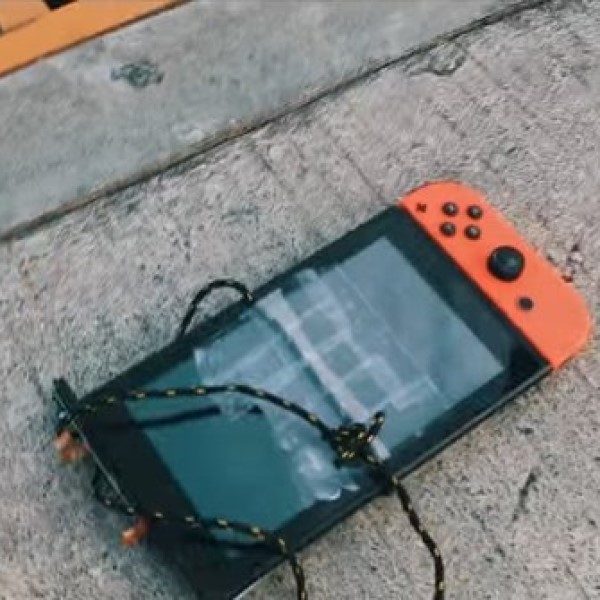
Physical damage is another major factor when asking why is my Nintendo Switch screen orange. A cracked or broken screen can distort color output. Even minor impacts sometimes shift internal layers. This affects how pixels render.
The most vulnerable area is near the hinges. Repeated opening and closing creates stress. Over time, the ribbon cables inside wear out. These connect the screen to the motherboard. If they loosen or tear, display issues occur. An orange hue may appear in patches or across the entire screen.
Pressure marks from heavy objects also contribute. Storing the Switch in a crowded bag damages the LCD. The pressure disrupts liquid crystal alignment. This results in dark spots or warm-colored blotches.
Moisture exposure worsens these effects. Spills or high humidity corrode internal circuits. Water near the ports or speakers travels inward. Corrosion interferes with signal transmission. This distorts color data.
In severe cases, the screen flickers or shows multiple hues. Touch response may fail too. These signs require immediate attention. Stop using the device. Seek repair services quickly.
While software fixes work for settings, hardware problems need expert handling.
 Software Glitches and Firmware Bugs
System Updates, Game-Specific Effects, and Temporary Errors
Sometimes, the orange screen is due to software bugs. After a system update, unexpected glitches may emerge. Graphics processing errors occasionally alter color output. This doesn’t mean your hardware failed. Instead, the firmware miscommunicates with the display driver.
To test this, restart your Switch. Hold the Power button for 12 seconds. Wait for it to shut down. Then press again to reboot. A fresh start clears temporary memory. Often, this removes the orange tint.
Game-specific effects can mimic screen problems. Titles like Resident Evil or Dead Space use red filters for atmosphere. These remain active if you don’t close the game properly. Exit to home screen to verify true display color.
Also, corrupted user profiles or themes impact visuals. Try switching accounts. Use a different profile to see if the tint remains. If not, reset themes to default. Delete and reinstall custom ones later.
System updates sometimes introduce bugs. Nintendo releases patches to fix them. Check for new updates under System Settings > System > Update. Install if available.
These steps resolve many non-hardware causes. Always rule out software first.
Overheating and Battery-Related Problems
Thermal Stress, Swelling Batteries, and Component Failure
Overheating can trigger display abnormalities. When your Switch runs too hot, internal components expand. Prolonged heat stresses the LCD panel. This may lead to permanent discoloration. In some cases, the screen turns orange or pink.
Common heat sources include long gaming sessions, poor ventilation, or direct sunlight. Playing while charging increases temperature. Dust buildup blocks air vents. Clean them gently with a dry brush. Avoid compressed air—it can push debris deeper.
Battery swelling is another hidden risk. Old batteries degrade over time. They may bulge and press against the screen. This physical pressure damages the display layer. Signs include raised back panels or difficulty closing the stand.
If the battery swells, stop using the device immediately. Continued use risks fire or further screen damage. Replace the battery at a certified service center. Do not attempt DIY removal.
Cooling down the device helps temporarily. Turn it off. Place it in a shaded, dry area. Let it rest for several hours. Then test the screen. If the orange tint fades, overheating was the cause.
Prevent future issues by managing playtime and storage conditions.
 External Factors: Cases, Films, and Lighting
Screen Protectors, Tinted Cases, and Ambient Light Illusions
Sometimes, the orange look comes from external accessories. Low-quality screen protectors add a yellowish film. Cheap plastic yellows over time. This changes how colors appear. Remove it to check true screen quality.
Tinted cases also reflect light oddly. Dark or colored plastics bounce hues onto the screen. View your Switch under natural light. Compare it to someone else’s device. This confirms if the tint is real or reflected.
Ambient lighting plays a role too. Warm indoor bulbs make whites look creamy. LED strips with red tones create illusions. Test your screen near a window during daylight. This provides neutral lighting.
Reflections from windows or lamps distort perception. Angle the screen differently. See if the orange effect disappears.
Before assuming hardware failure, eliminate outside influences. Simple changes may solve the problem.
How to Test and Confirm the Issue
Using White Screens, Factory Reset, and Safe Mode
To diagnose why is my Nintendo Switch screen orange, perform a few tests. First, open a bright white image. You can use a web browser or photo app. Full white screens highlight color imbalances clearly.
If the background looks yellow-orange, the issue persists. If it appears white, the problem may be content-specific.
Next, try Safe Mode. Hold Volume Up and Volume Down while powering on. Release when the logo appears. Choose “Safe Mode” from the menu. This boots with minimal drivers. If the screen looks normal, software interference is likely.
Perform a factory reset as a final software test. Back up your data first. Go to System Settings > System > Formatting Options. Select “Restore Default Settings.” This clears glitches without deleting games.
If the orange tint remains after all tests, hardware is the culprit. At this point, consider professional support.
 Frequently Asked Questions About Orange Screens
Answering Common User Concerns
Does leaving the Switch docked cause screen issues?
Not directly. But constant charging degrades the battery over time. Swelling may affect the screen. Use sleep mode instead.
Can I fix it myself?
Only for software. Never open the device unless trained. Internal repairs void warranties.
Will Nintendo repair it for free?
Only under warranty or recall programs. Accidental damage requires payment. Check your coverage status online.
Is the OLED model immune?
No. While better built, it still suffers similar issues. Heat and pressure affect all models.
How do I prevent this in the future?
Use a protective case. Avoid extreme temperatures. Keep software updated. Clean ports gently.
These answers help clarify expectations around why is my Nintendo Switch screen orange.
 Summary
Final Thoughts on Diagnosing and Resolving the Orange Tint
Understanding why is my Nintendo Switch screen orange involves checking both digital and physical factors. Start with simple fixes—review settings, restart, and remove accessories. Most cases stem from Night Light mode or screen protectors. These take seconds to correct.
If the problem continues, examine hardware. Look for cracks, pressure marks, or flickering. Consider age and usage patterns. Long-term owners face higher risks of wear.
Always test under clean conditions. Use safe mode and factory resets cautiously. When in doubt, contact Nintendo Support or an authorized repair shop.
Ultimately, resolving this issue protects your gaming experience. Whether it’s a small setting or serious damage, knowing the cause brings peace of mind. And that’s what matters most when enjoying your favorite games.