When you walk into a Harbor Freight store or browse their catalog, one question often comes to mind: who makes harbor freight tools? The brand is known for offering low-cost tools and equipment. Yet, unlike major brands such as Craftsman or DeWalt, it doesn’t manufacture most of its products in-house.
Instead, Harbor Freight sources its inventory from a global network of third-party manufacturers. These factories are located primarily in China, Taiwan, India, and South Korea. They produce tools under private label agreements. This means the items are made specifically for Harbor Freight. You won’t find them branded elsewhere.
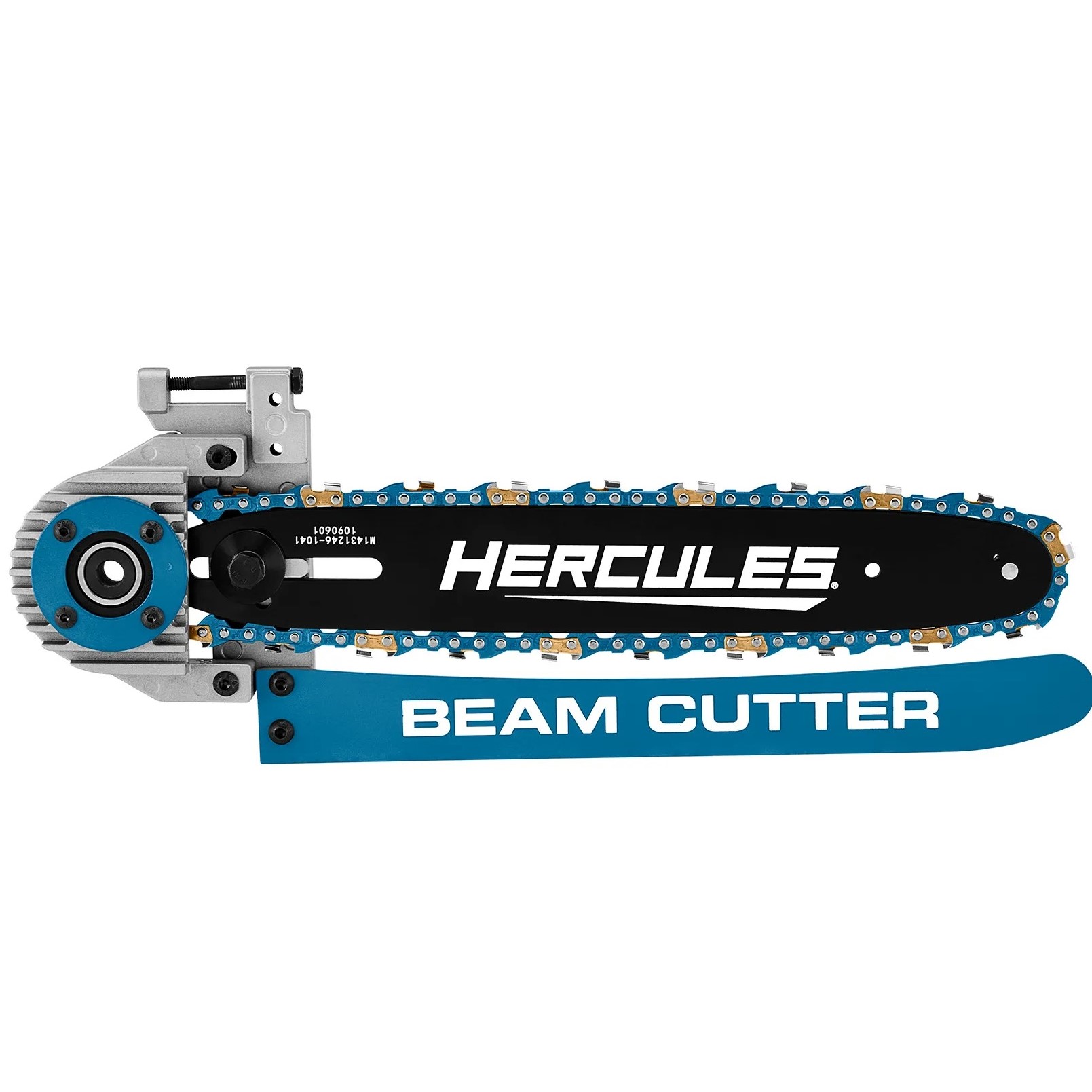
The company then sells these products under its own name. Some carry exclusive brand labels like Central Pneumatic, Predator, or Hercules. Each line targets different uses—from air compressors to generators and hand tools.
This model keeps prices low. By cutting out middlemen and avoiding expensive marketing, Harbor Freight passes savings to customers. However, this also raises questions about quality control and consistency.
Many users wonder if these tools are reliable. Others ask whether they’re safe for professional use. Understanding who makes harbor freight tools helps answer these concerns.
While Harbor Freight does not build the tools itself, it sets design standards. It works with factories to meet safety and performance goals. Testing occurs before products hit shelves.
So, while the company isn’t a manufacturer, it acts as a developer and distributor. Knowing this clarifies what to expect from their gear.
 How Harbor Freight Sources Its Products
The Global Supply Chain Explained
To understand who makes harbor freight tools, we need to look at the supply chain. Harbor Freight operates like a retail buyer. It contracts factories overseas to produce goods.
Most manufacturing happens in Asia. Chinese factories make up the largest share. They produce wrenches, sockets, power tools, and storage units. Many have experience working with other U.S. retailers.
Harbor Freight engineers visit these sites. They inspect production lines. They review materials and assembly methods. This ensures products meet basic standards.
Some components come from multiple countries. A single tool may include parts from China, Malaysia, and Vietnam. Final assembly occurs in one central facility.
Once complete, containers ship by sea. They arrive at U.S. ports like Los Angeles or Long Beach. From there, trucks move goods to distribution centers.
Harbor Freight owns several large warehouses. These support fast delivery to stores nationwide. Inventory turnover is high. Fast sales keep costs down.
The company avoids branding on factory level. Workers don’t know they’re making “Harbor Freight” tools. Instead, they follow technical drawings and specs provided by the company.
This system allows flexibility. If one factory fails, another can step in. Production stays stable even during shortages.
Ultimately, who makes harbor freight tools is not one single maker—but dozens of factories working under contract.
Are Harbor Freight Tools Made In-House?
Debunking the Manufacturing Myth
A common misconception is that Harbor Freight builds its own tools. But the truth is, who makes harbor freight tools is not the company itself. It does not run its own factories.
There are no “Harbor Freight plants” producing socket sets or jack stands. Instead, the company focuses on product development, logistics, and customer access. It designs tool concepts. Then, it outsources production.
Engineers at Harbor Freight create specifications. These include size, function, materials, and safety needs. Factories follow these blueprints exactly.
For example, a 3/8-inch drive ratchet might require chrome vanadium steel. The handle must be non-slip. The head should rotate smoothly. These details go into the order.
After approval, the factory produces samples. Harbor Freight tests them. Only after passing do full runs begin.
Some tools are reverse-engineered. Harbor Freight studies existing models. Then, it creates cheaper versions. These mimic popular designs but cost less.
This approach keeps prices low. No massive R&D budgets are needed. Innovation focuses on affordability.
However, some people see this as copying. Others call it smart business. Either way, the process works.
Knowing who makes harbor freight tools clears up confusion. It’s not a manufacturer—it’s a designer and buyer.
 Popular Tool Brands Owned by Harbor Freight
Exclusive Lines You May Already Use
While Harbor Freight doesn’t make tools in-house, it owns several private-label brands. These names appear across their catalogs. Each serves a different purpose.
Central Pneumatic is one of the oldest. It covers air tools—compressors, nail guns, spray guns. These are ideal for DIYers and small shops.
Predator offers gas-powered equipment. Chainsaws, pressure washers, and generators fall under this line. Many use OHV engines. They offer solid value.
Husky used to be independent. Now, only certain Husky tools are sold at Harbor Freight. These are different from the Home Depot version. Confusion exists between the two.
Hercules focuses on heavy-duty gear. Floor jacks, tool chests, and workbenches carry this name. Durability is a key selling point.
Lisle-branded tools appear occasionally. Lisle is a real American brand. Harbor Freight sells some under partnership. These tend to be higher quality.
Xtreme includes automotive accessories. Floor mats, jump starters, and lighting. These support car owners.
Each brand fills a niche. Pricing stays low. Performance varies by type.
Customers often don’t realize these are all part of the same company. Seeing different names gives the illusion of choice.
But behind the scenes, who makes harbor freight tools remains the same: contracted factories building to spec.
Quality Control and Safety Standards
How Safe Are Harbor Freight Tools?
One concern people have is safety. Since who makes harbor freight tools is an international group of factories, how does Harbor Freight ensure quality?
The company has a testing department. Every new product goes through evaluation. Stress tests, torque checks, and durability trials occur. Tools must survive repeated use.
Safety certifications matter. Items like circuit breakers, extension cords, and welders must meet UL or ETL standards. Without approval, they cannot be sold.
Some tools carry ANSI ratings. This applies to gloves, glasses, and hard hats. Compliance is required by law.
Yet, not every item undergoes strict review. Low-cost hand tools may skip deep inspection. This leads to mixed results.
User reviews help identify issues. Many report broken gears in cheap drills. Others praise long-lasting ratchets.
Harbor Freight offers lifetime warranties on many tools. If a wrench breaks, return it. They’ll replace it. This policy builds trust.
Still, professionals remain cautious. For critical jobs, they prefer trusted brands. Harbor Freight is often seen as backup or secondary.
Inspections happen randomly. Audits check shipments. Non-compliant batches get rejected.
Overall, quality varies. Simple tools often perform well. Complex machines show more flaws.
Understanding who makes harbor freight tools explains why results differ. Not all factories maintain the same standards.
 Comparing Harbor Freight to Other Tool Brands
Where Does It Stand in the Market?
When asking who makes harbor freight tools, it helps to compare them to well-known brands. How do they stack up against Snap-on, Craftsman, or Stanley?
Snap-on tools are built in the USA. They use premium materials. Prices reflect that. A single socket can cost $15. Mechanics who earn top pay invest in them.
Craftsman has shifted production. Once made in America, now much is outsourced. Still, it maintains stronger brand trust. Lifetime warranty adds value.
DeWalt and Milwaukee focus on pro-grade power tools. Their motors last longer. Batteries offer better life. They dominate job sites.
Harbor Freight competes on price. A full set might cost what one Snap-on tool does. This attracts budget buyers.
Performance-wise, many Harbor Freight tools work fine. For occasional use, they deliver. Heavy daily use reveals weaknesses.
Durability depends on the item. Socket sets and ratchets often hold up. Cheap grinders or saws fail faster.
The brand wins on accessibility. Stores exist in nearly every state. Online shopping is easy. Free shipping drives sales.
It also wins on trial. Low cost means low risk. Try it. If it fails, return it.
Professionals rarely rely on them. But hobbyists, homeowners, and weekend warriors benefit.
So, who makes harbor freight tools matters less than how you use them. Match the tool to the task.
Why Customers Keep Coming Back
Value, Warranty, and Convenience That Work
Despite questions about origins, millions shop at Harbor Freight. So, why do so many people return?
Price is the biggest factor. You can buy a full tool kit for under $200. That’s impossible at most retailers. Tight budgets welcome this.
The lifetime replacement policy builds loyalty. Break a hammer? Return it. No receipt needed. Just bring the tool back.
Stores stock everything. Need a battery charger, pliers, and oil? Get them all in one trip. No driving across town.
Coupons add extra savings. Weekly ads feature deep discounts. 20% off coupons appear often. Savvy shoppers stack deals.
Free shipping increases online sales. Orders over $49 ship free. Delivery arrives in days. Packaging is simple.
In-store pickup saves time. Order online. Grab it the same day. No waiting.
Tool rental programs attract pros. Rent a floor jack or welder. Avoid buying expensive gear.
Workshops teach skills. Some locations host classes. Learn welding or engine repair.
All these factors increase customer retention. People feel supported.
Even when who makes harbor freight tools is unclear, the value is obvious.
 Frequently Asked Questions About Harbor Freight Tools
Clear Answers for Shoppers and Users
Are Harbor Freight tools made in the USA? Most are not. Production is overseas. Some accessories may be assembled locally.
Can I trust their quality? For light use, yes. Check reviews first. Avoid using on critical repairs.
Do they sell name-brand tools? Occasionally. They carry Milwaukee, DEWALT, and others. Usually at discount prices.
Is the lifetime warranty real? Yes. They honor it. Bring damaged tools back. Get a new one.
Are their generators safe? Predator models meet EPA standards. Use outdoors only. Follow instructions.
Can I return used tools? Yes. Even if broken. They accept returns without hassle.
Do mechanics use Harbor Freight? Some do—for basic tasks. Rarely for precision work.
These answers help buyers make informed choices.
 Final Thoughts
The question who makes harbor freight tools has no single answer. It’s not one factory or country. It’s a network of global suppliers meeting Harbor Freight’s design goals.
The company excels at delivering affordable, accessible tools. While not always built to last decades, many perform well for home use. Their warranty reduces risk. Their pricing supports tight budgets.
Whether you’re fixing a bike or building a shed, Harbor Freight has something useful. Understanding its role—as a distributor, not a maker—helps set proper expectations.
In the end, who makes harbor freight tools matters less than how you use them. Choose wisely. Maintain your gear. And enjoy the savings.

