Introduction: The Enchantment of Pete the Cat
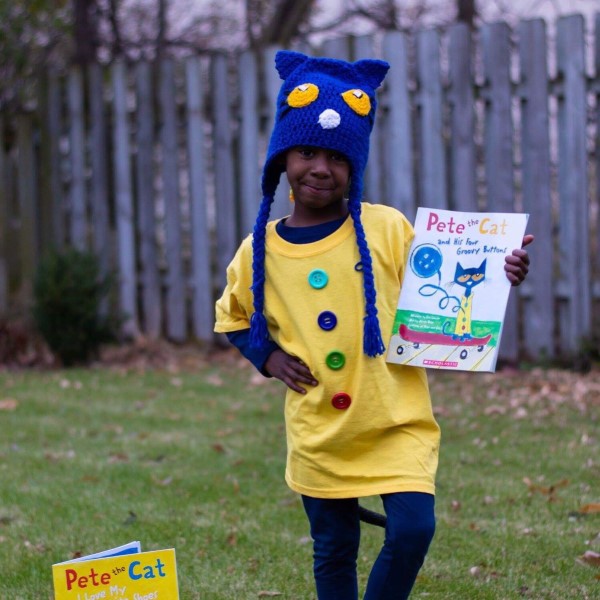
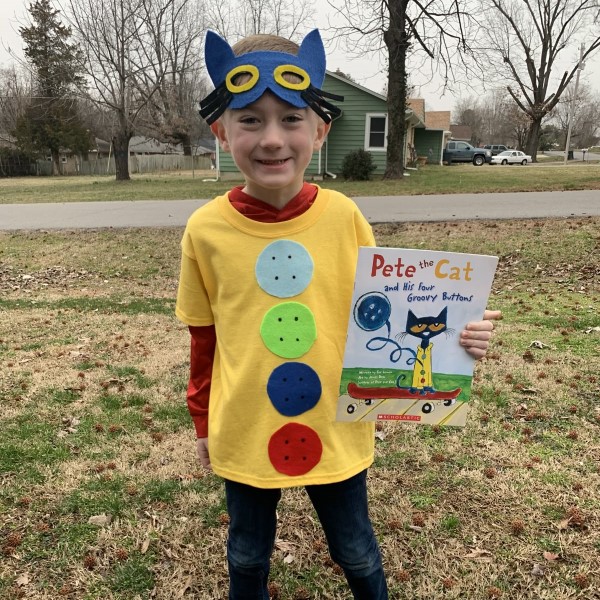
From the moment he first appeared in picture books, Pete the Cat has captured the hearts and imaginations of children and parents alike. Created by Eric Litwin and illustrated by James Dean, this beloved character has become an icon in children’s literature. With signature blue fur and a laid-back attitude, Pete’s adventures resonate with young readers. His tales center around themes of resilience, friendship, and creativity, which are essential lessons for kids as they navigate their early years. In this blog post, we will dive into the latest addition to the Pete the Cat book series, highlighting its engaging storylines, vibrant illustrations, and the educational value it brings to young readers.
The Latest Addition to the Pete the Cat Series
1. Overview of the New Book
The newest Pete the Cat book continues to combine creativity with valuable lessons, making it highly anticipated among fans.
- Synopsis: In this latest installment, Pete embarks on a new adventure that teaches children about teamwork, problem-solving, and embracing one’s uniqueness. The plot weaves a delightful tale that encourages kids to join Pete on his journey, sharing in the fun and excitement along the way.
- Illustrations: The illustrations in this book are exceptional, with vibrant colors and playful designs that mirror Pete’s joyful personality. Readers will be drawn into the pages not just by the story but also by the artistic charm that enhances the narrative.
2. Key Themes and Messages
Every Pete the Cat book has moral takeaways that resonate well with children.
- Resilience and Adaptability: One of the standout themes in the latest book is the importance of bouncing back from setbacks. Pete often faces challenges but learns to adapt and maintain a smile, demonstrating a positive approach to problem-solving.
- Friendship and Cooperation: This new addition also emphasizes the value of friendships and collaborating with peers. The story encourages children to work with others to achieve common goals, illustrating how teamwork can lead to success.
The Benefits of Reading Pete the Cat Books
1. Supporting Early Literacy Development
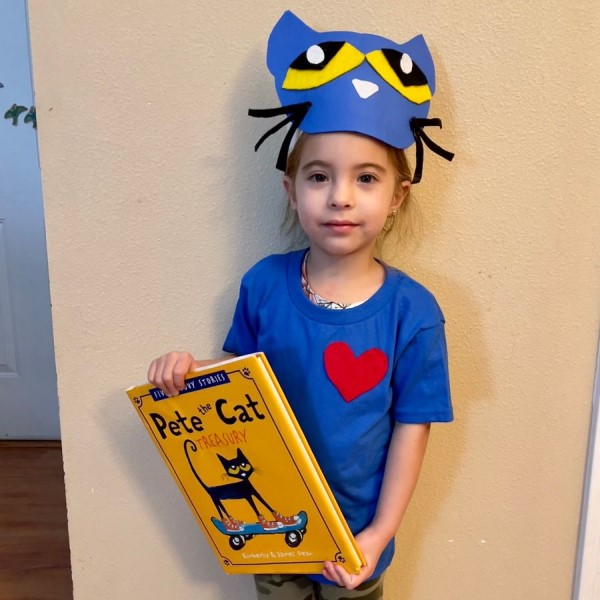
The Pete the Cat book series is much more than fun stories; it provides tangible benefits to children’s literacy development.
Accessible Language
- Characteristics of the Language:
- Simple Vocabulary: The language used in Pete the Cat books is carefully chosen to be straightforward and easy to understand. This ensures that young readers who may be encountering new words and concepts for the first time can grasp the story without feeling overwhelmed.
- Playful Tone: The playful nature of the language makes the storytelling enjoyable. This fun tone encourages children to engage with the text and stimulates their imagination, making reading a delightful experience.
- Encouragement for Young Readers:
- Building Confidence: Because the language is accessible, young readers can read the stories independently with greater confidence. As they successfully navigate the text, their self-esteem regarding reading grows, paving the way for future literacy success.
- Interactive Reading Experience: When read aloud by parents or teachers, the playful language invites expressive reading. This interactive experience not only enthralls children but helps them learn how stories are told in a way that makes sense.
- Appeal to a Wide Age Range:
- Engagement for All Readers: While aimed primarily at early readers, the simplicity and playfulness of the language also make it appealing for children who enjoy hearing stories read aloud. This broadens the audience, providing entertainment for all ages.
- Fostering a Love for Reading: By creating stories that are easy to understand and enjoyable, Pete the Cat books help instill a lifelong love of reading in younger audiences, encouraging them to continue exploring literature as they grow.
Rhythm and Rhyme
- Importance of Rhythmic Prose:
- Encouraging Phonemic Awareness: The use of rhythmic prose in Pete the Cat books plays a crucial role in developing phonemic awareness. This skill involves recognizing and manipulating the individual sounds in words, which is fundamental to early reading success.
- Engaging Repetition: Many stories incorporate repeating phrases and patterns that create rhythm. This repetition supports auditory learning and enhances memory retention, making it easier for children to recall and predict what comes next in the story.
- Musicality of the Language:
- Enjoyable and Engaging: The musical quality of the language—sometimes described as lyrical—captures the interest of young readers. This lively form of storytelling creates a captivating reading experience that enthralls children and motivates them to engage with the text.
- Positive Reading Experience for Adults: The engaging rhythm benefits adult readers as well. Parents and teachers enjoy reading these books aloud, finding pleasure in the cadence and flow of the words. This connection fosters a shared love for stories between adults and children.
- Creating a Lasting Impact:
- Landmark for Early Readers: The rhythmic components serve as a foundation for developing language skills. Children learn to recognize patterns in stories, which aids in their comprehension and fluency as they progress to more complex texts.
- Encouragement of Musicality: The playful use of language, combined with rhythm and rhyme, encourages children to explore other forms of literature and poetry. This exploration broadens their horizons and enriches their overall literacy journey.
2. Fostering a Love for Reading
A crucial aspect of encouraging reading in children is sparking their interest and excitement about books.
- Engaging Storylines: Each Pete the Cat book offers captivating storylines filled with humor and adventure. This keeps young readers entertained and eager to turn the pages to see what happens next.
- Interactive Questions: The newer editions include questions and prompts that encourage interaction, helping kids engage more deeply with the story. This stimulates critical thinking and discussion around the themes presented in the book.
Interactive Elements in the Latest Book
1. Incorporating Fun Activities
The interactive nature of the Pete the Cat book series enhances the reading experience tremendously.
- Draw and Color Sections: Many of the latest books include pages where children can draw their version of Pete or color illustrations. This not only makes the reading experience visually stimulating but also allows children to express their creativity.
- Questions and Puzzles: The integration of questions and puzzles throughout the story serves to keep children engaged. They can ponder character motivations or predict what might happen next, making reading a more interactive activity.
2. Family Involvement
- Read-Along Options: With many Pete the Cat books available in audio format, families can enjoy read-along sessions where children listen to the story while following along in the book. This auditory experience helps to enhance comprehension and enjoyment.
- Discussion Opportunities: After reading, parents can facilitate discussions about the book’s messages, prompting children to share their thoughts. This opportunity for conversation not only reinforces comprehension but strengthens parent-child bonds.
Comparing Pete the Cat Books with Other Children’s Literature
1. Distinctive Storytelling Approach
The storytelling in Pete the Cat stands out against traditional children’s literature through its multi-faceted narrative approach.
- Whimsical and Humorous Tone: While other children’s books may focus on serious morals or lessons, Pete the Cat combines fun with life lessons. This whimsical tone keeps children entertained while still learning.
- Relatable Characters: The characters in the Pete the Cat universe are relatable and likable, making it easier for children to connect with the stories. Familiarity with Pete and his friends keeps kids returning for more adventures.
2. Educational Impact
- Incorporating Valuable Life Lessons: Each Pete the Cat book succeeds in presenting relatable situations for children. Through Pete’s adventures, kids learn essential lessons about gratitude, kindness, and the importance of facing challenges.
- Encouraging Positive Thinking: The overarching positivity throughout the series encourages children to cultivate a “can-do” attitude, which is valuable as they encounter various challenges in life.
Frequently Asked Questions about Pete the Cat Books
Let’s address some common questions surrounding Pete the Cat.
What age is appropriate to read Pete the Cat?
The Pete the Cat book series is suitable for children aged 3 to 7 years. However, younger children often enjoy being read to, while older kids can read independently.
Is Pete the Cat a book?
Yes, Pete the Cat refers to a popular series of children’s books created by Eric Litwin and illustrated by James Dean. The series includes numerous stories that showcase various adventures of Pete.
Does Pete the Cat have LGBTQ themes?
While the primary focus of Pete the Cat is on themes of friendship, kindness, and resilience, the series promotes inclusive messages more generally. However, specific LGBTQ themes are not emphasized.
What is the moral of the story Pete the Cat?
The moral revolves around adaptability and resilience. Pete’s adventures encourage children to embrace their uniqueness and maintain a positive outlook when facing challenges.
Conclusion: The Magic of Engaging Adventures
In summary, the latest Pete the Cat book offers an exciting blend of adventure, education, and creativity, making it a worthwhile addition to any child’s library. With its vibrant illustrations, engaging themes, and interactive elements, this book captivates young readers and helps foster a love for reading. As children step into the world of Pete the Cat, they not only enjoy delightful stories but also learn valuable life lessons. Whether you are a parent, teacher, or guardian, introducing the Pete the Cat book series can enrich early literacy experiences and nurture lifelong readers. Embrace the magic of storytelling and make Pete the Cat a cherished part of your child’s reading journey!