One of the most exciting skills in bowling is learning how to curve bowling ball. A well-executed hook adds power and precision to your game. It increases your chances of hitting the pocket at the perfect angle. This leads to more strikes and higher scores.
Moreover, curving the ball isn’t just for professionals. With practice, beginners can learn this technique too. It requires the right grip, stance, and timing. As more bowlers search for ways to improve, knowing how to curve bowling ball has become essential.
 Why Curving the Ball Improves Your Game
Achieving Better Pin Action and Strike Potential
A straight ball hits the pins head-on. But a curved ball enters the pocket at an angle. This creates better pin action. The pins scatter more effectively. That means more strikes.
Also, it helps with consistency. When you aim for the same board each time, the hook repeats. You rely less on luck. Skill takes over.
In addition, it reduces flat spares. A straight shot often leaves the 10-pin or 7-pin standing. A proper curve increases side spin. This knocks down corner pins more easily.
You also gain confidence. Watching your ball hook into the pocket feels rewarding. It shows progress and control.
Furthermore, it adjusts for lane oil patterns. Most lanes have oil in the center. The edges stay dry. A curve uses the dry part. This gives you more traction.
It also works on different lane conditions. Whether oily or dry, a good hook adapts. You don’t need to change your entire form.
Thus, mastering how to curve bowling ball changes your performance. It turns average throws into powerful ones.
Understanding the Physics Behind the Curve
How Spin and Friction Create Motion
The curve happens because of friction. Oil covers the front part of the lane. The back end stays dry. Your ball slides at first. Then it grabs the dry part. This causes the hook.
Spin plays a key role. The more revs you add, the sharper the curve. But too much spin can overreact. Balance matters.
Your release point affects everything. If you let go too early, the ball hooks too soon. Too late, and it won’t hook at all. Timing is crucial.
Ball weight influences motion. Heavier balls carry more momentum. They resist sliding. Lighter ones react faster on dry lanes.
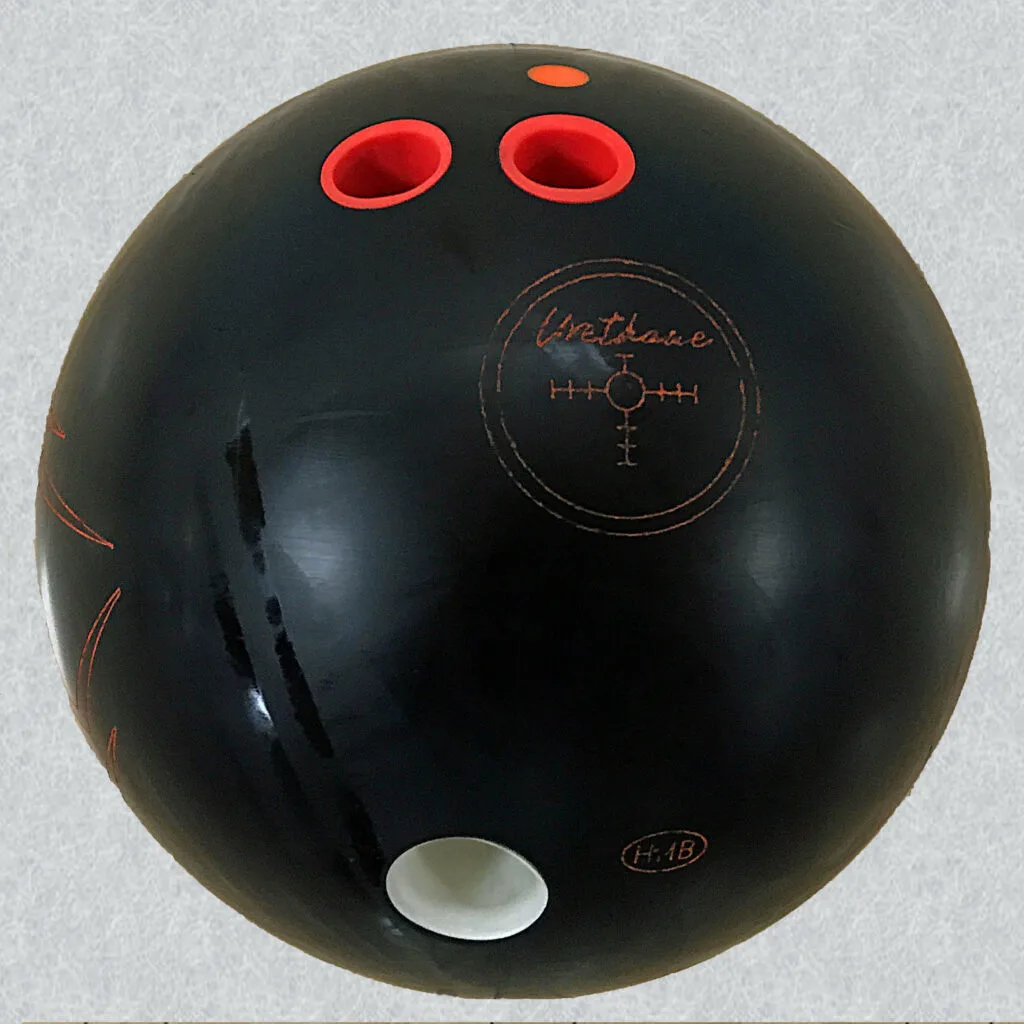
Coverstock type matters too. Reactive resin balls hook more than plastic. They grab the lane better. Urethane offers a medium option.
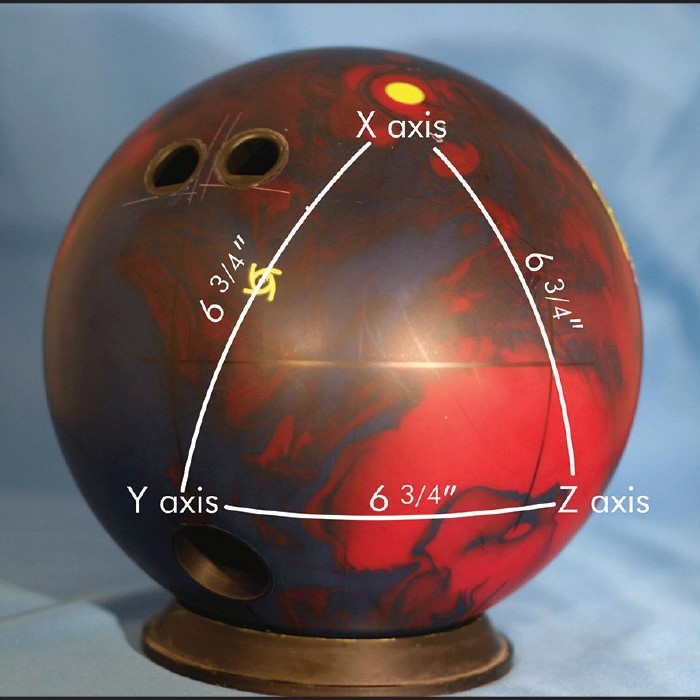
Core design changes track flare. High-flare cores create bigger backend reactions. Low-flare ones give smoother curves.
All these parts work together. They decide how strong the hook becomes. Knowing them helps you choose the right ball.
Thus, understanding physics improves your skill. You make smarter choices during play.
 Grip and Hand Position for a Proper Hook
Setting Up for Success Before the Throw
Start with the correct grip. Use a fingertip grip instead of knuckles. Insert fingers up to the second knuckle. This allows rotation at release.
Place your thumb fully in the hole. It should slide out fast. Avoid gripping too tight. Stay relaxed.
Position your hand behind the ball. Keep your wrist firm but not stiff. Don’t break it inward or outward.
Rotate your hand slightly to the left (for right-handers). This sets up axis tilt. It prepares for the hook.
Hold the ball with your palm open. Let it rest on your fingers. Do not cup the wrist.
Keep your shoulders square. Align them with the foul line. This supports a clean swing.
Practice holding the ball at waist level. Walk through your approach. Feel the balance.
Use tape if needed. Some bowlers add finger inserts. These improve fit and comfort.
A good grip leads to a smooth release. It starts before you even step forward.
Stance and Approach Steps
Building Momentum and Control
Begin with a balanced stance. Stand four to five steps from the line. Point your non-dominant foot forward. This improves stability.
Start your approach with the ball moving backward. Use your legs to generate power. Let your arm swing naturally.
Take your first step with the opposite foot. For right-handers, start with the left foot. Keep rhythm consistent.
Second step brings the ball higher. Maintain a straight path. Avoid swinging wide.
Third step begins the downswing. Your arm moves under the ball. Prepare for slide.
Fourth step is the slide. Glide smoothly toward the line. Keep your knee bent. Stay low.
Release the ball near your ankle. Follow through high. Finish with your hand facing upward.
Timing must match. Each step links to arm motion. Practice slowly at first.
Use floor dots as guides. They help with alignment. Adjust based on your height.
A smooth approach leads to better curves. It connects every part of your body.
 Release Techniques for Maximum Hook
Creating Spin at the Moment of Truth
The release is where the magic happens. Rotate your hand as you let go. Right-handers turn the hand clockwise. Left-handers do the opposite.
Snap your wrist gently. Do not force it. A smooth twist creates natural spin. Jerking ruins accuracy.
Let the ball roll off your fingers. Fingertips guide the rotation. Thumb exits first. This allows full revs.
Keep your shoulder open. Do not block at release. An open chest supports follow-through.
Feel the lift. Slight upward motion adds revolutions. But avoid throwing high.
Follow through across your body. End with your arm extended. Hand points toward the target.
Practice without pins. Focus only on motion. Record yourself if possible.
Try towel drills. Hold a small towel in your hand. Swing and snap. This builds muscle memory.
A clean release makes the curve sharp. It also keeps the ball on line.
Choosing the Right Bowling Ball
Matching Equipment to Your Style
Not all balls hook the same. Plastic balls barely curve. They are best for spares. Not ideal for learning how to curve bowling ball.
Urethane balls offer mild reaction. They hook moderately. Great for beginners who want control.
Reactive resin balls create strong backend motion. They grab dry lanes fast. These suit intermediate players.
Particle balls hook the most. They dig into the lane. Use only when confident.
Check the core type. Symmetrical cores give smooth arcs. Asymmetrical ones create sharper turns.
Look at the RG rating. Low RG means earlier roll. High RG delays the hook.
Diffusion rate affects length. Higher numbers mean longer skid. Lower ones hook sooner.
Surface finish matters. Polished balls skid more. Sanded ones grab earlier.
Visit a pro shop. Get fitted by an expert. Try demo balls first.
The right ball matches your speed and style. It enhances your hook.
 Common Mistakes and How to Fix Them
Avoiding Errors That Hurt Progress
One big mistake is rushing the release. Releasing too early causes weak hooks. Wait until the last moment.
Another error is dropping the ball. Letting it fall kills revs. Keep it in front.
Wrist breaking is common. Bowlers bend their wrist sideways. Use a brace if needed.
Over-gripping creates tension. Relax your hand. Pretend you’re holding a bird.
Misaligned steps throw off timing. Practice your approach slowly. Count each step.
Sliding too far causes imbalance. Stop just before the line. Do not cross it.
Using the wrong ball slows learning. Start with a mid-performance reactive ball.
Watching pros helps. But don’t copy everything. Adjust for your body type.
Record your form. Compare with slow-motion videos. Spot flaws fast.
Fix one thing at a time. Don’t overload. Small wins build long-term success.
Practicing Effectively
Building Muscle Memory Through Repetition
Practice regularly. Aim for three sessions per week. Even 30 minutes helps.
Start with spare shooting. Focus on accuracy. Build consistency.
Then work on your hook. Bowl five frames using only curve shots. Watch ball motion.
Use targets on the lane. Aim between arrows. Track where the ball hooks.
Adjust based on results. If it hooks too soon, move left. If too late, move right.
Try reverse scans. Change ball surface. Learn how it reacts.
Join a league. Real games build pressure skills. Apply what you learned.
Get feedback from others. Coaches or experienced bowlers see things you miss.
Stay patient. Progress takes time. Celebrate small improvements.
Consistent practice beats occasional effort. Form follows repetition.
Frequently Asked Questions
Common Concerns About Curving the Ball
Can beginners learn to hook? Yes, with the right ball and coaching.
Is it bad for my arm? No, if done correctly. Avoid overuse injuries.
How many steps should I take? Most use four. Some prefer five. Choose what feels natural.
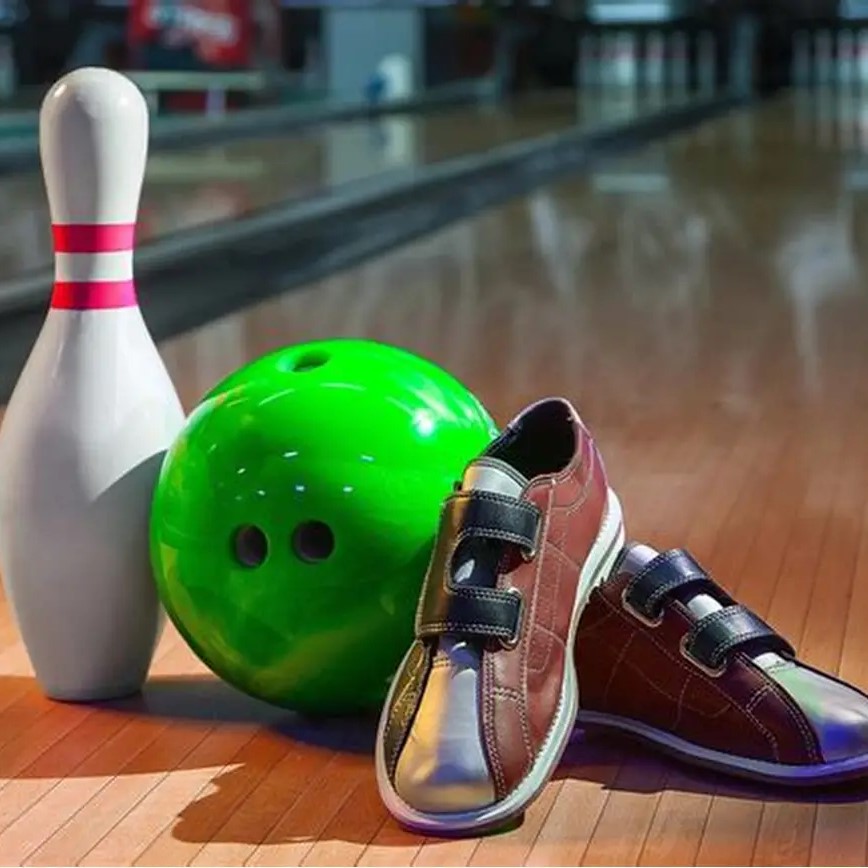
Do I need special shoes? Yes. Slide shoes help your final step.
Can I hook on house lanes? Yes, most alleys allow it. Ask staff about oil pattern.
Should I use a wrist support? Only if your form needs help. Don’t depend on it.
How long does it take to master? Several months. Depends on practice frequency.
These answers help users improve safely. Clarity speeds up learning.
 Summary
Why Learning How to Curve Bowling Ball Is Worth It
Learning how to curve bowling ball transforms your game. It increases strike potential. It adds fun and challenge. With the right form, gear, and mindset, anyone can do it.
Its benefits grow over time. Confidence rises. Scores improve. Leagues become more enjoyable.
As more people search for effective techniques, this skill stands out. It’s not just flashy. It’s functional.
Ultimately, mastering the hook brings pride. It shows dedication. For better games and lasting joy, keep practicing how to curve bowling ball.