Introduction: The Enduring Legacy
The beloved characters from the “Shrek” franchise have made a significant impact on the world of animation since the release of the first film in 2001. Shrek characters are not merely figures in a comedy; they represent a new era in animated storytelling, one that challenges traditional norms and resonates with audiences of all ages. With their unique blend of humor, depth, and relatability, these characters have become cultural icons. As we explore how Shrek characters have evolved over the years, we will also uncover broader trends in animation by 2026. This analysis will highlight their relevance in today’s entertainment landscape, showcasing how the characters continue to entertain and inspire.
The Birth of Shrek: A New Take on Fairytales
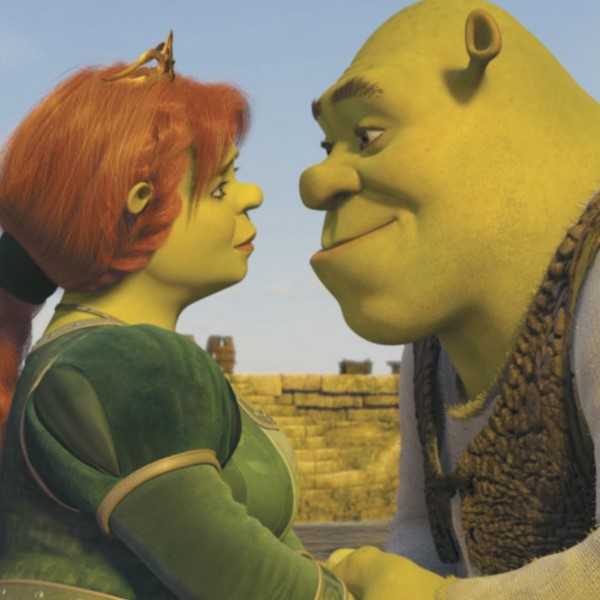
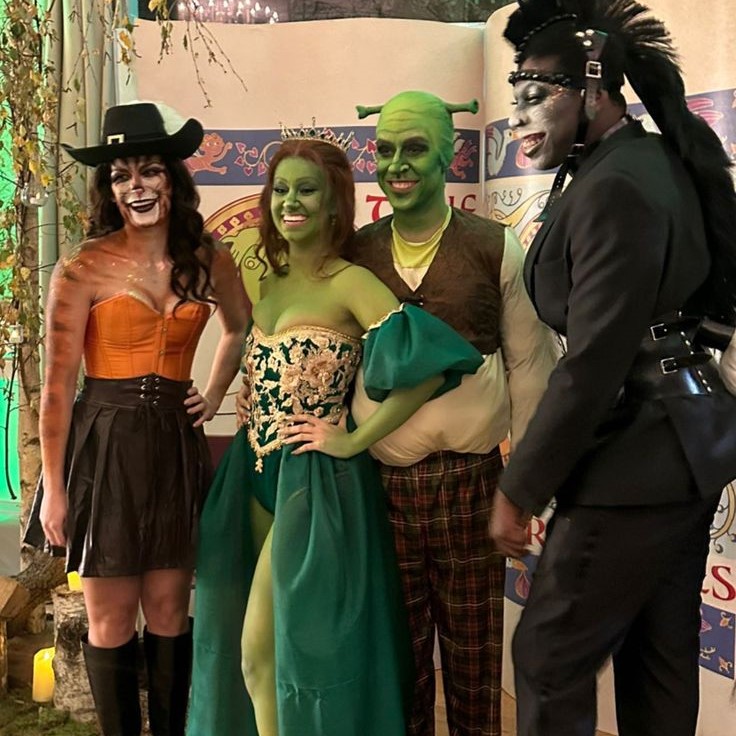
The original “Shrek” film introduced audiences to a refreshing reinterpretation of classic fairy tales. Instead of adhering to the archetypes found in traditional animated features, Shrek presented a more nuanced portrayal of its characters. Shrek himself, an ogre, served as an unconventional protagonist who defied the hero stereotypes often seen in animated films. His journey of self-acceptance, as well as his quest for love and friendship, marked the beginning of a narrative shift in animated storytelling.
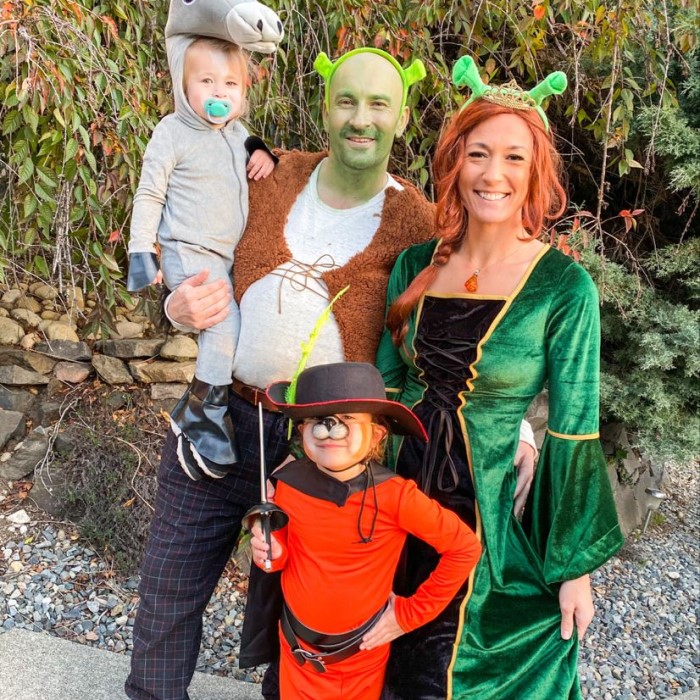
Characters like Princess Fiona and Donkey also experienced significant transformations within the story. Fiona transcended the typical damsel in distress trope, revealing herself as a capable warrior with her struggles, desires, and conflicts. Meanwhile, Donkey provided comedic relief while also filling the crucial role of Shrek’s friend and moral support. Their character arcs contributed greatly to the narrative, ultimately showcasing that heroes can come in all shapes and sizes, with varying backgrounds and experiences.
Character Evolution: From Stereotypes to Unique Identities
Expansion of the Franchise:
The “Shrek” franchise has grown significantly through its sequels and spin-offs, moving beyond its original story to build a more comprehensive universe filled with diverse characters.
Character Development:
The characters within the franchise underwent meaningful development, transforming from one-dimensional stereotypes into complex figures with unique identities. This evolution has enhanced the storytelling and allowed for richer narratives.
Exploration of Relationships:
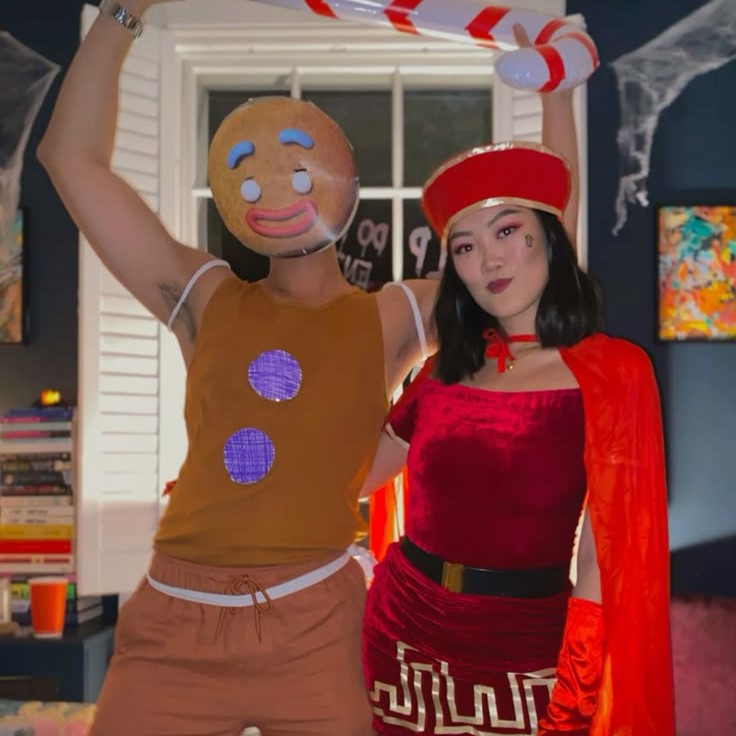
In “Shrek 2,” the film delves deeper into the dynamics of Shrek and Fiona’s marriage. Their relationship is portrayed as multifaceted, illustrating the trials and tribulations of family life and how they both confront and embrace their personal identities.
Challenges of Family Life:
The narrative sheds light on how Shrek and Fiona navigate the complexities of familial responsibilities, personal growth, and societal expectations, making their story more relatable to audiences.
Alignment with Trends in Animation:
This character evolution mirrors a broader trend observed in 21st-century animation, where creators increasingly focus on crafting characters that reflect relatable, real-world experiences and emotions.
Introduction of New Characters:
New characters, such as Puss in Boots, were introduced to the franchise, adding further depth and diversity to the story. Puss, voiced by Antonio Banderas, quickly gained popularity and became a beloved figure among fans.

Role of Side Characters:
The introduction of side characters like Puss demonstrates how even those not in the primary spotlight can significantly influence the overarching narrative. Their unique traits and story arcs contribute to the richness of the franchise.
Development of Backstories:
The trend of creating detailed backstories for side characters has been on the rise in animated films. This allows for a more comprehensive exploration of their motivations, personalities, and growth throughout the series.
Impact on Storytelling:
By developing these rich backstories, the franchise enhances its storytelling, providing audiences with a more nuanced understanding of each character and the relationships between them. This approach fosters deeper emotional connections and engagement with the audience.
The Impact of Animation Trends on Shrek Characters
The evolution of Shrek characters reflects significant changes within the animation industry. Technological advancements in CGI and animation techniques enabled more lifelike character designs and expressions, enhancing their ability to convey depth and emotion. Improved animation technology allows viewers to connect more profoundly with the characters, as the nuances of their expressions and movements enrich the storytelling experience.
Another crucial trend influencing the Shrek franchise has been the push for diversity and inclusion in animated films. The original Shrek showcased a variety of characters, from fairy tale creatures to diverse personalities, reflecting different cultures and experiences. This intentional focus on diversity resonates with modern audiences, who seek representation in the media they consume. The Shrek franchise’s willingness to embrace a range of identities sets it apart and contributes to its cultural relevance.
Shrek Characters in the Digital Age
The rise of streaming platforms has dramatically changed the landscape for animated films, with significant implications for the Shrek franchise. Services like Netflix have made it easier for audiences to access classic films, including all the installments of the Shrek series. This accessibility has spurred a resurgence of interest in Shrek characters, allowing both old fans and new viewers to engage with the franchise in innovative ways.
Moreover, social media has become an essential driver for keeping Shrek characters in the public eye. Memes celebrating iconic scenes from the films, GIFs of memorable moments, and fan art of beloved characters circulate widely online. This digital engagement helps maintain the relevance of Shrek and underscores its impact on popular culture. As audiences connect through shared experiences and laughter, they bolster the continued appeal of the franchise.
The Relevance of Shrek Characters Today
Ongoing Appeal in 2026
As of 2026, the characters from the Shrek franchise maintain a strong connection with audiences.
Their enduring popularity is a testament to the franchise’s ability to resonate with viewers across different ages and backgrounds.
Reflection of Societal Values
The characters serve as a mirror to evolving societal values and experiences.
Each character’s journey reflects contemporary issues that audiences grapple with, making the storytelling relevant and meaningful.
Themes of Acceptance, Love, and Friendship
Central themes in the series include acceptance, love, and friendship, which are integral to the human experience.
These universal themes resonate with viewers who are looking for stories that reflect their own lives and relationships.
Relatable Storytelling
The struggles and triumphs of the characters provide relatable scenarios that many viewers can connect with personally.
Audiences see parts of themselves in these characters, which fosters a deeper emotional connection and engagement with the narrative.
Inspiration and Hope
As characters undergo personal growth and transformation, they inspire viewers to reflect on their own lives.
The stories instill hope, encouraging audiences to embrace their own journeys and challenges.
Engagement with Complex Issues
The Shrek franchise does not shy away from addressing complex issues such as identity and self-acceptance.
By exploring these themes, the series provides a platform for meaningful discussions about personal growth and societal acceptance.
Life Lessons through Character Development
The evolution of characters like Shrek, Fiona, and Donkey offers valuable life lessons that are relevant for audiences of all ages.
These lessons emphasize the importance of understanding and embracing one’s individuality as well as appreciating the differences in others.
The Importance of Love and Understanding
The narrative conveys a powerful message that everyone is deserving of love and friendship, irrespective of their flaws and differences.
This message fosters a sense of community and belonging among viewers, promoting kindness and acceptance in society.
By weaving these elements together, the Shrek franchise remains a significant cultural touchstone, highlighting enduring themes and values that continue to connect with audiences today.
FAQs about Shrek Characters
Is Shrek LGBT friendly?
While the Shrek franchise does not explicitly label itself as LGBT friendly, it is known for promoting messages of acceptance and tolerance. Many fans interpret the characters’ journeys and relationships as inclusive, reflecting broader themes of love and acceptance within the narrative. In this sense, Shrek serves as a valuable cultural touchstone for exploring these ideas.
Why is he called Shrek?
The name “Shrek” derives from the Yiddish word “shreck,” which means “fright” or “fear.” This title aligns well with the character as an ogre who is initially perceived as terrifying. Throughout the films, however, Shrek proves to be kind-hearted and lovable, challenging the stereotypes associated with his species.
Who is Shrek’s famous sidekick?
Shrek’s well-known sidekick is Donkey, voiced by the talented Eddie Murphy. Donkey contributes significantly to the humor and emotional depth of the series, serving as Shrek’s dependable friend and companion. Their dynamic is both comedic and heartwarming, adding layers to the overall narrative.
Who did Shrek’s voice?
Shrek’s voice is provided by the talented actor Mike Myers. His distinctive portrayal, complete with a Scottish accent, has become iconic, helping to shape the character’s personality and charm. Myers’ performance brought an endearing quality to Shrek, making him an unforgettable character in the realm of animated films.
Conclusion: The Future of Shrek Characters
As we look forward to the future of animation and the continued development of Shrek characters, one thing is clear: they have left an indelible mark on popular culture. The evolution of these beloved characters, their journeys, and the narratives they inhabit will likely continue to resonate with audiences for years to come. The themes of love, friendship, and acceptance that permeate the Shrek franchise are timeless, ensuring ongoing relevance in an ever-changing entertainment landscape.
As the Shrek franchise embraces new stories and characters, it sets a precedent for the importance of creativity and connection within animation. Through their endearing adventures, Shrek, Fiona, Donkey, and the rest of the ensemble remind audiences that comedy has the power to unite people across boundaries. As Shrek characters continue to evolve, they will remain symbols of fun, love, and the beauty of individuality in a diverse world, inspiring both the young and the young at heart within the vibrant world of animation.