Introduction
In the rich tapestry of children’s literature, the character of the Onceler stands out as a complex figure that embodies themes of greed, environmentalism, and redemption. First introduced by Dr. Seuss in his beloved book The Lorax, the Onceler has captured the imagination of readers and viewers alike since his debut. As we delve into 2026, understanding who the Onceler is and what his character represents offers valuable insights into contemporary discussions on environmental issues. In this article, we will explore the Onceler’s character, his journey, and the lessons that can be gleaned from his story.
The Onceler’s Backstory
Origins in Dr. Seuss’s Work
The Onceler first appears in Dr. Seuss’s The Lorax, published in 1971. He is characterized as a once-ambitious young entrepreneur who arrives in a vibrant forest filled with Truffula trees. His primary motivation is to capitalize on the unique fibers of these trees to produce a product called “Thneeds.” In this context, the Onceler exemplifies the archetype of a capitalist pursuing wealth without regard for the environmental consequences.
- Initial Ambitions: At first, the Onceler appears to be a harmless figure. He dreams of building a factory and provides employment opportunities. He embodies the American dream of success, capturing the initial excitement of entrepreneurial spirit.
- Destructive Choices: However, his desire for profit leads to the degradation of the environment. As he continues to cut down Truffula trees for Thneed production, the consequences of his actions become evident. This transformation highlights the crucial theme of environmental conservation that resonates throughout the story.
Transformation into the Once-ler
- Symbol of Environmental Destruction: As he becomes more successful, the Onceler’s actions lead to environmental devastation. The lush, thriving landscape turns into a barren wasteland, echoing effects that many contemporary communities can recognize in real life.
- Isolation and Regret: Ultimately, the Onceler becomes isolated in his factory, a moving metaphor for the loneliness that often accompanies greed. His regrets surface later in the story, which complicates his character and invites discussions about morality and redemption.
Thematic Analysis of the Onceler
Environmentalism and Conservation
The Onceler’s story serves as a powerful commentary on environmental themes that are increasingly relevant today. As climate change continues to be a pressing global issue, understanding the Onceler’s impact and the choices he makes becomes even more critical:
- Consequences of Greed: The narrative mirrors real-life scenarios where profit-driven actions harm the environment. It serves as a cautionary tale about the dangers of prioritizing wealth over sustainability.
- Redemption and Responsibility: The Onceler’s realization of his mistakes invites readers to consider their roles in protecting the environment. His character arc emphasizes the importance of taking responsibility for one’s actions and making amends.

Cultural Impact and Reception
Character Popularity
- Mixed Reception: The Onceler has received a diverse range of reactions from audiences over the years. Initially presented as a villain in Dr. Seuss’s The Lorax, he embodies themes of greed and environmental destruction. However, many fans have come to view him as a more nuanced character, seeing the layers of his motivations.
- Transitional Figure: His character transformation from a straightforward antagonist to a more complex figure has sparked numerous debates among audiences. While some see him purely as a villain responsible for environmental degradation, others perceive him as a tragic character whose ambitions spiraled out of control.
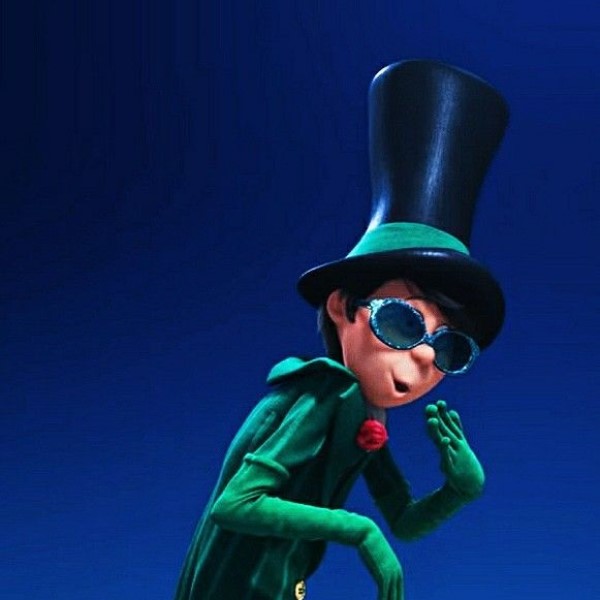
- Impact of the 2012 Adaptation: The release of the animated film The Lorax in 2012 significantly revitalized interest in the Onceler. His expanded role in the film and the addition of depth to his character arc made him more relatable to viewers. The film adaptation portrayed his journey in a manner that highlighted his initial aspirations, thereby complicating his character in the eyes of the audience.
- Cultural Significance: The Onceler has emerged as a significant figure in pop culture as a result of this renewed interest. He has become a symbol for discussions around environmentalism and consumerism, appealing to a wide audience—from young fans of Seuss’s works to environmental activists who use his character to advocate for change.
- Popular Mediums: As a result of his newfound popularity, the Onceler has appeared in various fan-created media, such as artwork, videos, and online discussions. This extensive interaction demonstrates the character’s ongoing relevance and adaptability in contemporary discourse on environmental issues.
Fan Interpretations
- Diverse Perspectives: The portrayal of the Onceler has inspired a variety of interpretations within fan communities. Some view him as a cautionary tale about the dangers of unchecked ambition, while others find empathy for his plight, indicating that people can relate to a character’s struggle between their dreams and the consequences of their actions.
- Complexity and Moral Dilemmas: The multifaceted nature of the Onceler’s character allows for deep exploration of moral dilemmas. Fans analyze his decisions, questioning whether his initial intentions were noble despite resulting in devastating consequences. This complexity invites audiences to reflect on their moral judgments about ambition, success, and responsibility to the environment.
- Exploration of Redemption: Many fans focus on the potential for redemption in the Onceler’s story. This theme presents him as a character who realizes the impact of his actions and serves as a reminder of the power of change. Discussions often center around whether his choices can lead to meaningful restitution for the environmental damages he caused, fostering ongoing engagement with his character.
- Artistic Reinterpretations: Fans frequently create art, stories, and videos that reimagine the Onceler in different contexts or plots. These reinterpretations not only highlight his complexity but also engage others in exploring these themes through creative outlets. Such expressions provide a communal way for fans to share ideas and dissect the philosophical aspects of the character’s journey.
- Continued Engagement: The discussions surrounding the Onceler reflect broader conversations about environmental issues, social responsibility, and personal growth. Fan interpretations keep his character dynamic and relevant, ensuring ongoing engagement with audiences and contributing to a cultural dialogue about stewardship and sustainability.
The Onceler in Popular Culture
Adaptations and Merchandise
In addition to the original book, the Onceler has made various appearances in media adaptations, particularly in the animated film The Lorax. His character has evolved significantly in these adaptations, highlighting his dramatic role in the story:
- Film Representation: In the 2012 animated movie, the Onceler gains a more prominent role, with vocal talent providing a more detailed backstory and motivations. The film’s portrayal showcases both his ambition and his tragic fall from grace.
- Merchandising Impact: Following the film’s release, merchandise featuring the Onceler surged, solidifying his place in contemporary culture. This has also encouraged conversations about consumerism and its environmental implications, effectively bringing the themes of the story into modern discussions.
Continued Relevance in 2026
In 2026, the Onceler remains a relevant figure, often referenced in discussions about sustainability and environmental activism:
- Visual and Social Media: Social media platforms continue to see a vibrant fanbase that creates art, memes, and discussions centered around the Onceler. These interactions can reignite interest in environmental themes and propel advocacy initiatives.
- Education and Awareness: Educational programs focusing on environmental stewardship often reference the Onceler as a way to discuss conservation efforts and the importance of protecting natural resources.

FAQs About the Onceler
Why is he called the Once-ler?
The character is called the Once-ler, indicating his transformation from a hopeful businessman to a regretful, isolated figure. The name symbolizes the consequences of his choices: “once” reflects his past actions, while “ler” suggests his role as a perpetrator in the story.
Is the Once-ler good or bad?
The Oncler embodies a complex moral character, as he transitions from a character with good intentions to one whose actions lead to environmental destruction. This ambiguity allows audiences to consider the duality of human nature and the capacity for change.
How rich is the Once-ler?
While the story does not provide an exact figure, it is implied that the Onceler amassed considerable wealth from his entrepreneurial ventures. However, his riches come at the expense of nature, emphasizing that monetary wealth does not equate to true prosperity.
Why was the Once-ler so popular?
The Onceler’s popularity stems from his complex character and the themes he represents. His significant role in The Lorax speaks to contemporary issues regarding consumerism and environmental responsibility, resonating strongly with audiences who recognize the importance of these themes.
Conclusion
In conclusion, the Onceler is a multifaceted character whose journey encapsulates vital themes surrounding environmental awareness and personal responsibility. His evolution—from a hopeful entrepreneur to a symbol of ecological destruction—encourages readers to reflect on the implications of their choices. As we look toward 2026, understanding his character opens the door for discussions about sustainability and ethical practices in both personal and communal contexts.
This exploration of the Onceler not only enhances our appreciation for Dr. Seuss’s work but also empowers us to actively participate in conversations about environmental stewardship. As his story continues to resonate, we are reminded of our responsibility in ensuring a brighter, greener future. The Onceler serves as a crucial reminder that our choices can lead to significant consequences—whether for ourselves, our communities, or the environment.