Learning how to put hook on fishing rod is a fundamental skill every angler must master. Whether you’re targeting bass, trout, or panfish, attaching the right hook securely ensures your setup works effectively. Without this basic knowledge, even the best gear can fail at a critical moment.
More than just tying a knot, knowing how to put hook on fishing rod involves choosing the correct hook size, matching it to your line, and using the proper technique. Each step affects performance in real fishing situations. Therefore, mastering this process improves catch rates and reduces frustration.
 Choosing the Right Hook for Your Target Fish
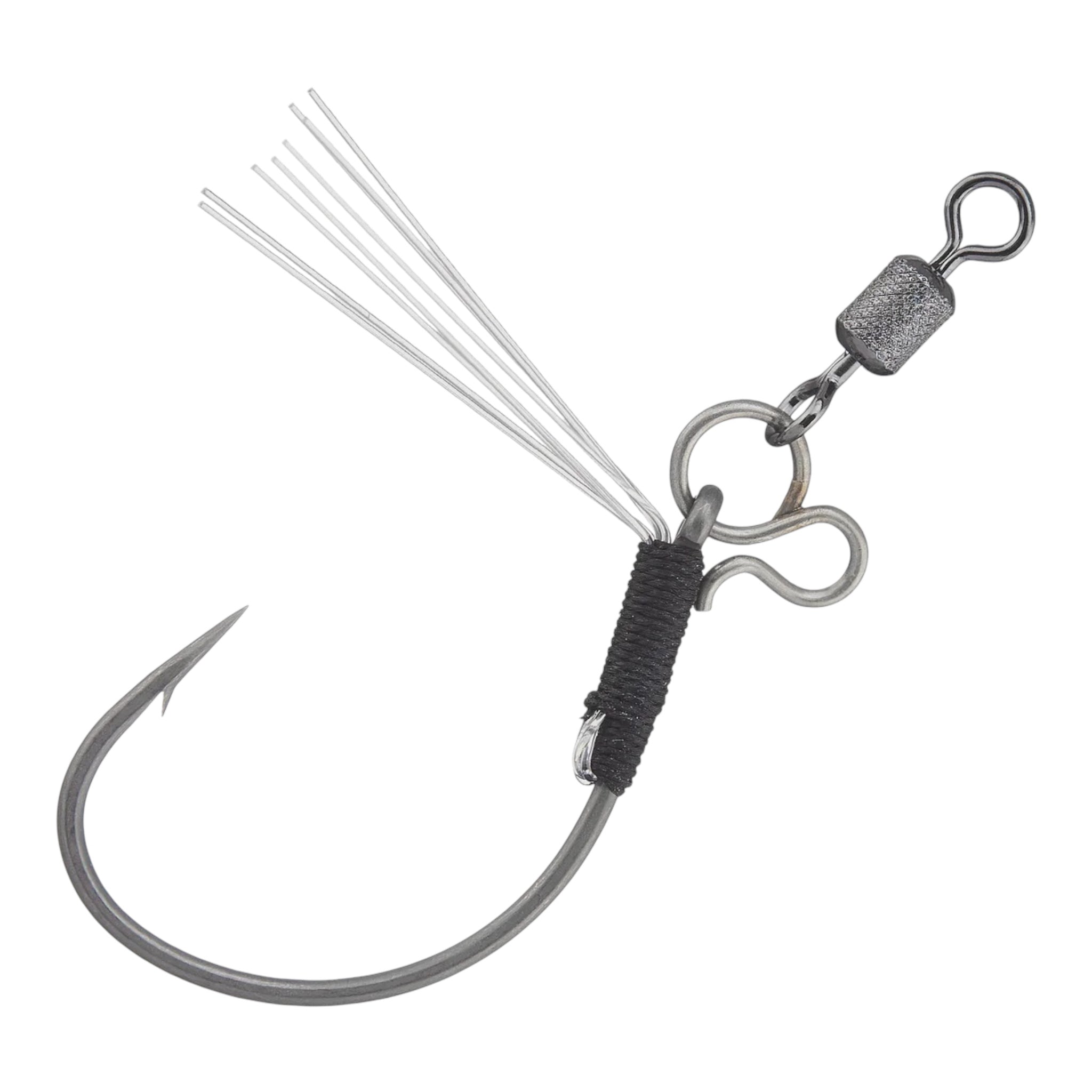
Selecting the right hook starts with knowing your target species. Larger fish like catfish or pike need strong, wide-gap hooks. These hold firm during long fights. Smaller fish such as bluegill or perch require lighter, thinner hooks.
Hook size matters. It ranges from tiny #32 to massive 18/0. The number system can confuse beginners. Small numbers mean larger hooks. For example, a 1/0 is bigger than a size 6.
Bait type also influences choice. Live bait like worms or minnows needs circle or octopus hooks. They hook fish more naturally. Artificial lures often use treble hooks. These increase contact points during strikes.
Saltwater fishing demands corrosion-resistant materials. Stainless steel or chemically sharpened hooks last longer. Freshwater anglers can use standard carbon steel. They are cheaper and sharp enough.
Barbed vs barbless is another decision. Barbed hooks hold bait better. They reduce lost fish. Barbless ones are easier to remove. Catch-and-release anglers prefer them.
Also, consider hook style. J-hooks are classic and versatile. Circle hooks prevent deep hooking. Weedless hooks work in heavy cover. Match the design to your environment.
Always carry multiple sizes and types. Conditions change fast. Being prepared leads to more successful trips.
Matching Hook Size to Line Strength
Line strength affects hook selection. A weak line cannot handle a large, heavy hook. The connection may break under pressure. Therefore, balance is essential.
Use a chart or guide if unsure. For 6-pound test line, a size 4 or 6 hook fits well. With 12-pound line, move up to 1/0 or 2/0. This keeps tension evenly distributed.
Heavier lines support stronger hooks. They resist snapping when fighting big fish. Light lines need smaller hooks. Otherwise, the weight scares cautious fish.
Knot strength also depends on this match. Thick line with a small eyelet causes friction. It weakens the knot. Always test before casting.
Monofilament stretches slightly. It absorbs sudden pulls. Fluorocarbon is stiffer. It transfers force faster. Choose based on water clarity and action needed.
Braided line has high strength in thin diameters. Use it with powerful hooks. But avoid oversized hooks that create drag. Balance visibility and power.
Check your reel’s line capacity. Overloading adds bulk. It affects casting distance. Under-loading risks running out during long runs.
A balanced setup performs better. The entire system works together. No single part should fail due to mismatch.
With proper pairing, how to put hook on fishing rod becomes more effective and reliable.
 Preparing Your Fishing Line for Hook Attachment
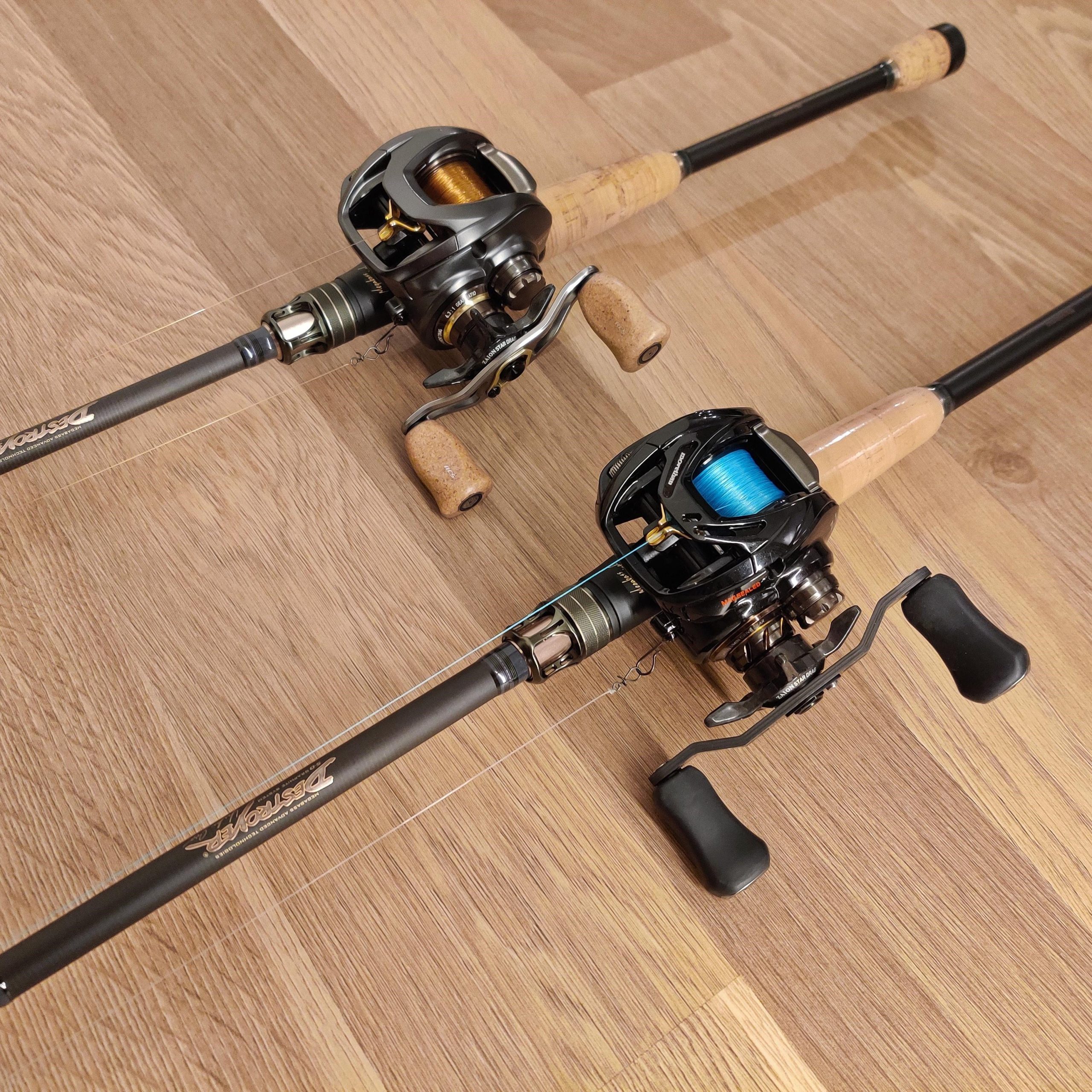
Before attaching the hook, prepare the fishing line properly. Start by extending 6–8 inches of line from the reel. This gives you room to tie without tangles.
Pinch the line between thumb and forefinger. Cut it with sharp scissors or clippers. Ragged ends weaken knots. Clean cuts ensure tight binding.
Wet the line before tightening any knot. Moisture reduces friction. This prevents heat damage during cinching. Nylon and fluorocarbon benefit most.
Inspect the tip. Look for nicks or frays. Damaged spots break easily. Trim if necessary. Fresh line increases knot strength.
Decide where the hook will sit. Some rigs use one hook. Others add droppers or leaders. Plan spacing ahead of time.
Use a leader if needed. Fluorocarbon leaders hide the main line from fish. They also resist abrasion near rocks or wood.
Hold the tag end and main line separately. This avoids twisting during tying. Twisted lines affect knot integrity. Smooth strands improve results.
Keep tools handy. A line clipper, knot-tying tool, or magnifier helps. These make the process faster and cleaner.
Repeat the prep steps each time. Consistency ensures reliability. Never skip line checks before tying.
With clean, ready line, how to put hook on fishing rod becomes smoother and safer.
Selecting the Best Knot for Securing the Hook
The knot you choose determines hook security. Not all knots work the same. Some slip. Others weaken the line. Pick the right one for your setup.
The improved clinch knot is popular and reliable. It works with monofilament and fluorocarbon. Steps include threading the line through the eye. Then wrap five to seven times around the standing line.
Next, pass the tag end through the first loop near the eye. Then go through the large outer loop. Pull slowly while holding both ends. This forms a locked knot.
The Palomar knot is stronger. It uses a double line. Pass the line through the hook eye. Tie an overhand knot loosely. Then pass the hook through the loop. Tighten carefully.
This knot maintains over 95% of line strength. It resists slippage. Ideal for braided lines and heavy cover.
The uni knot suits various hooks and lines. It’s easy to learn. Wrap the tag end around the standing line six times. Then thread it back through the first loop. Moisten and pull.
It works well for light tackle. Also good for attaching hooks to swivels or leaders.
Avoid weak knots like the simple clinch or two-half hitches. They fail under stress. Always test new knots with hand pressure.
Practice at home. Use scrap line and old hooks. Build muscle memory before heading out.
Choosing the right knot makes how to put hook on fishing rod more secure and efficient.
 Step-by-Step Process: How to Put Hook on Fishing Rod
Now that you’ve chosen the hook and knot, follow these steps to attach it correctly. Begin by holding the hook steady. Use your non-dominant hand to control it.
Thread the fishing line through the hook eye. Leave about 6 inches of tag end. This allows space for wrapping. Do not rush this step.
Moisten the line with saliva or water. This lubricates the fibers. Friction heat can weaken the knot during tightening.
Tie your selected knot. For the improved clinch, wrap the tag end around the standing line five to seven times. Make sure wraps lie flat and close together.
Pass the tag end through the small loop near the eye. Then thread it through the large outer loop. Hold both ends firmly.
Pull slowly to tighten. Apply even pressure. Stop when the knot seats against the hook eye. Trim the excess tag end with clippers.
Leave about 1/8 inch of tag. Too much can snag. Too little risks unraveling. A clean cut prevents fraying.
Test the knot by pulling hard. If it holds, it’s secure. If it slips, retie immediately. Never cast with a weak connection.
Repeat this process whenever changing hooks. Fresh knots are always stronger.
Mastering how to put hook on fishing rod takes practice. But each attempt builds confidence and skill.
Testing and Adjusting After Installation
After tying the hook, testing ensures safety and function. Give the knot a firm tug. Simulate a fish strike. If it slips, re-tie right away.
Check alignment. The hook should sit straight. No twisting in the line. Misalignment causes poor presentation.
Cast into open space. Watch how the hook flies. Wobbles or spins indicate line twist. Let it fall freely to reset.
If using live bait, attach it gently. Avoid tearing the bait. Position it so the hook point remains exposed. This increases hook-up chances.
Adjust depth if needed. Add a sinker above the hook. Slide it onto the line. Pinch on split shot weights for light setups.
Change location of the hook based on fish behavior. Near bottom? Mid-water? Surface? Move accordingly. Flexibility improves success.
Recheck after a few casts. Water and movement stress the knot. Re-tighten if loose. Replace if worn.
Swap hooks after catching a fish. Mouth acids and impacts dull points. Fresh hooks perform better.
Carry extra hooks and line. Breakages happen. Quick changes keep you fishing.
Regular adjustments keep your rig effective. Attention to detail pays off in catches.
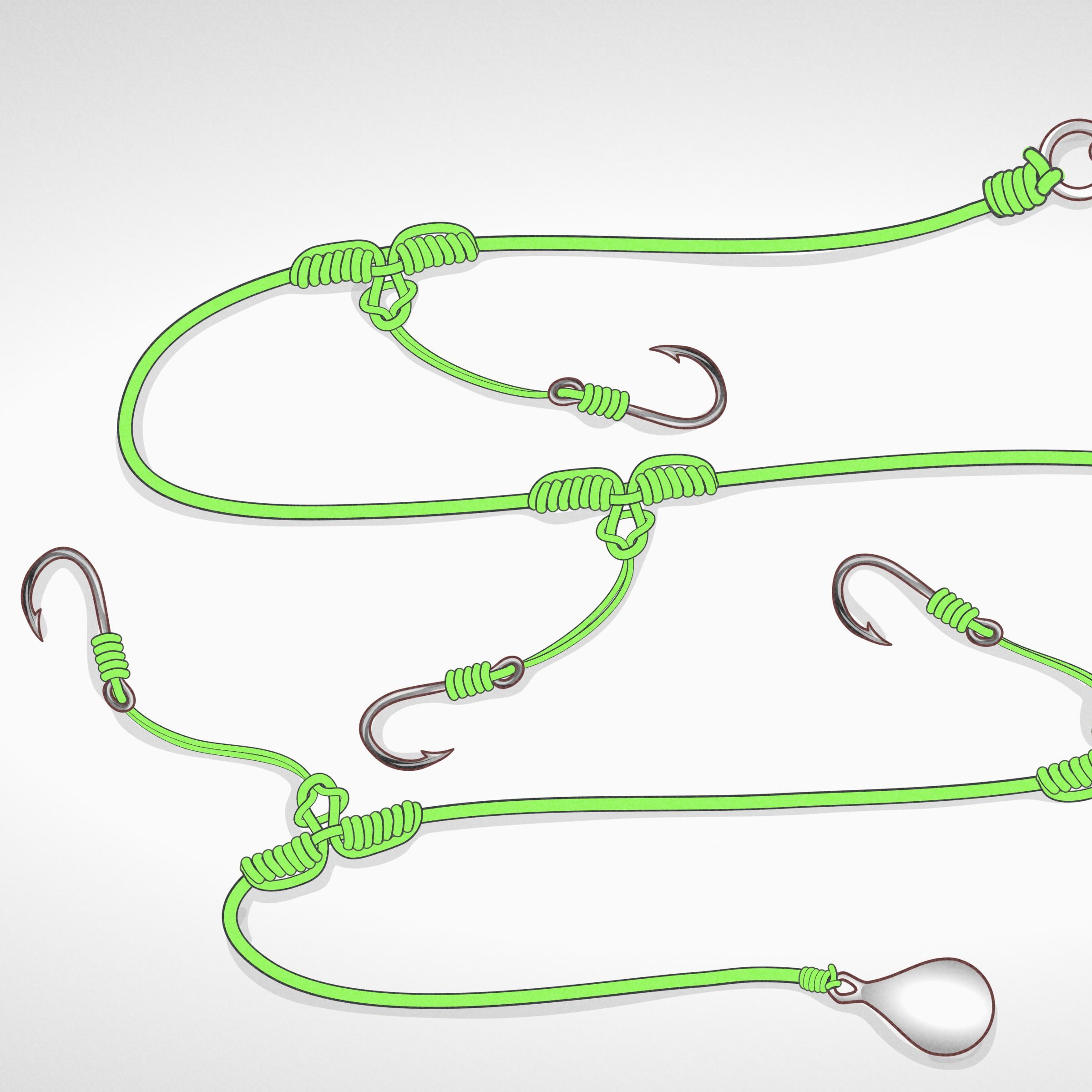 Using Hooks in Different Fishing Setups
Hooks serve different roles across fishing styles. Knowing how to put hook on fishing rod varies by setup. Each method requires specific techniques.
In bottom fishing, use a Carolina rig. Attach a weight above the hook. Let it roll along the seabed. Natural movement attracts fish.
For topwater fishing, use circle hooks with poppers. The hook sets itself when the fish turns. Less need for manual hooksets.
Drift fishing combines hooks with floats. The float suspends the bait at a set depth. Adjust based on fish location.
Trolling uses sturdy hooks behind lures. High-speed pulls demand strong knots. Test frequently for wear.
Fly fishing uses tiny hooks on nearly invisible lines. The fly mimics insects. Presentation matters more than power.
Ice fishing relies on small jigs. Tip with bait. Drop through holes in frozen lakes. Sensitivity is key.
Surf fishing needs long casts. Use pyramid sinkers with a leader. Keep the hook off the sand.
Kayak and bank anglers use similar setups. Mobility limits gear. Compact rods with secure hooks work best.
Each situation changes how you attach the hook. Adaptability improves results.
Understanding how to put hook on fishing rod in context increases success.
Common Mistakes to Avoid When Attaching Hooks
Many beginners make errors when learning how to put hook on fishing rod. One common mistake is skipping line wetting. Dry knots generate heat. This weakens the connection.
Another error is cutting the tag too short. Less than 1/8 inch risks failure. Leave enough to hold but not snag.
Using the wrong knot for the line type causes problems. Braid slips in some clinch knots. Use Palomar instead.
Over-tightening breaks the line. Pull slowly. Sudden force damages fibers. Patience ensures strength.
Ignoring hook sharpness reduces effectiveness. Dull hooks don’t penetrate. Test with your fingernail. If it doesn’t catch, sharpen or replace.
Tying over damaged line invites breakage. Nicks and kinks are weak points. Cut and re-tie if needed.
Failing to test the knot is risky. Never assume it’s secure. Pull hard before casting.
Not matching hook size to fish leads to missed opportunities. Too big scares them. Too small can’t hold.
Reusing old knots wastes time. Retie after each fish or break. Fresh is always better.
Avoiding these mistakes improves reliability. Success grows with attention to detail.
Frequently Asked Questions
Do I need different hooks for saltwater?
Yes. Saltwater hooks are rust-resistant. Use stainless steel or coated versions.
Can I use the same knot for all hooks?
Most knots work universally. Palomar and clinch suit many types. Choose based on line and load.
How often should I check my hook?
After every cast. Look for bends, dull points, or loose knots. Replace as needed.
Should the hook point be exposed?
Yes. Covering it reduces hooking ability. Bait should allow quick penetration.
Is barbed or barbless better?
Barbed holds bait and fish better. Barbless is kinder for release. Choose based on goals.
Can kids learn this easily?
Yes. Teach simple knots first. Supervise until confident.
Does lure type affect hook attachment?
Some lures come pre-rigged. Others need hooks tied directly. Follow manufacturer advice.
What if my knot keeps slipping?
Try a different knot. Palomar is more secure. Practice with thicker line first.
 Final Thoughts
Knowing how to put hook on fishing rod is essential for every angler. It forms the foundation of a working setup. Without it, no amount of skill or gear guarantees success.
From choosing the right hook to tying secure knots, each step matters. Preparation prevents failures in critical moments. Confidence grows when your gear performs.
Whether fishing casually or competitively, consistency wins. Regular practice builds speed and accuracy. You spend less time fixing rigs and more time catching.
The process evolves with experience. New techniques and tools appear. Stay open to learning. Share tips with others.
With the right knowledge, anyone can master this skill. It’s simple but vital. Make it part of your routine.
As you continue, remember: how to put hook on fishing rod isn’t just a task. It’s a habit that supports every fishing adventure.