When fans ask how fast do rally cars go, the answer isn’t as simple as quoting one top speed. Unlike track racing, rally events take place on unpredictable surfaces—dirt, gravel, snow, tarmac, and forest roads. These conditions mean speeds vary widely based on terrain, weather, and stage design. Still, top-tier rally vehicles can reach astonishing velocities, often exceeding 120 mph (193 km/h) on open stretches.
The real challenge lies in how drivers maintain control at high speed while navigating sharp turns, jumps, and blind corners. Modern World Rally Championship (WRC) cars, for example, are built to balance explosive acceleration with precision handling. They go from 0 to 60 mph in under 3.5 seconds. Yet, their true performance shines not just in raw speed but in adaptability. To fully understand how fast do rally cars go, we must explore vehicle specs, race formats, safety limits, and driver skill. This guide covers all aspects of rally speed and what makes it so thrilling.
 Comparing Top Speeds Across Rally Classes
From WRC to Regional Events: What’s the Difference?
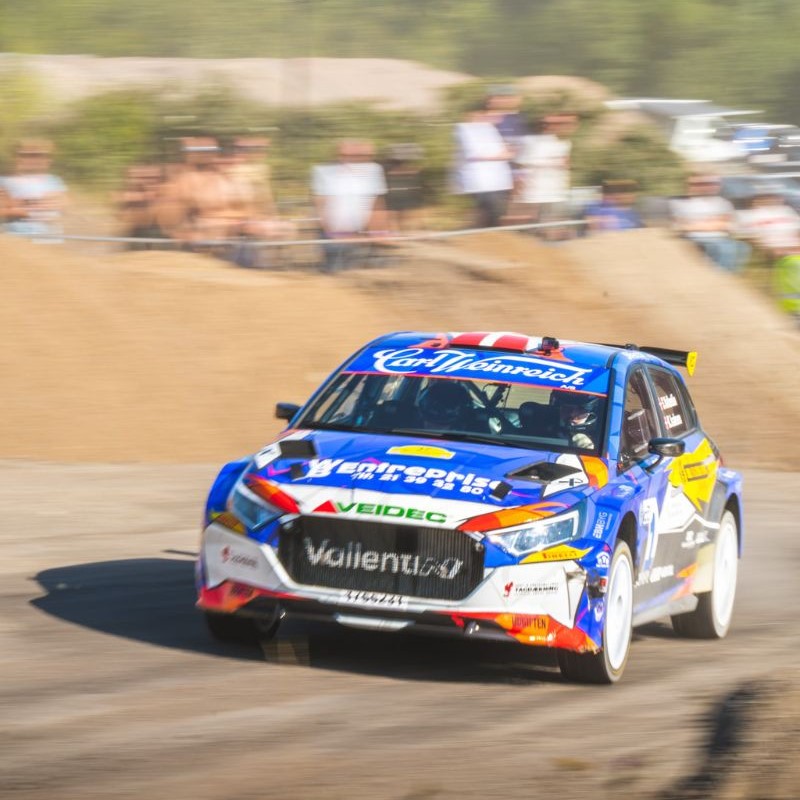
Top speeds differ across rally categories. The fastest are WRC-spec cars. These machines regularly hit 130 mph (209 km/h) on long tarmac or gravel straights. In contrast, Rally2 or R5 class cars max out around 115 mph (185 km/h). Lower classes like Rally4 or production-based entries rarely exceed 100 mph (160 km/h).
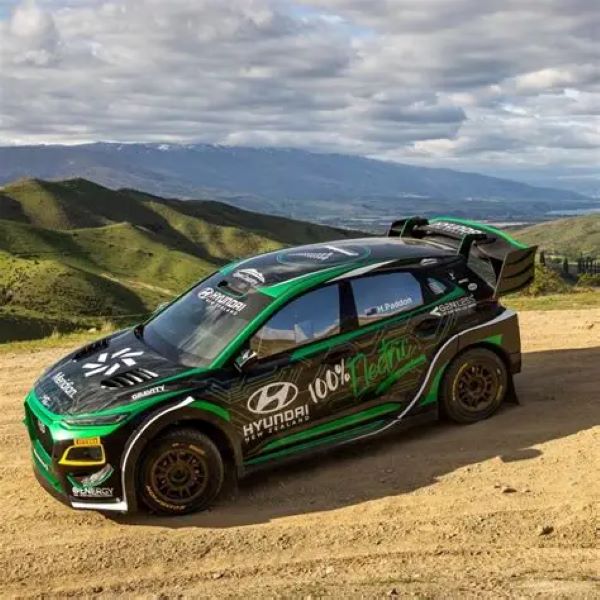
Additionally, electric rally prototypes are emerging. While currently slower due to weight and battery limits, they still achieve speeds near 110 mph (177 km/h). Their instant torque helps acceleration, though range affects sustained pace.
National rallies feature modified street cars. These vary greatly in performance. Some run close to factory limits. Others use turbo kits or stripped interiors to improve speed-to-weight ratios. Even then, most stay below 105 mph (169 km/h) for safety.
Speed also depends on car type. Front-wheel-drive models lose traction faster than all-wheel-drive ones. AWD systems dominate in WRC because they deliver power evenly across all four wheels. This improves grip and exit speed after corners.
Moreover, hybrid rally entries are being tested. They blend internal combustion engines with electric motors. These boost mid-range response and help on slow exits. However, added weight means top-end speed may drop slightly.
Ultimately, how fast do rally cars go depends on class rules, modifications, and terrain. Higher divisions push closer to performance limits.
Factors That Influence Rally Car Speed
Terrain, Weather, and Driver Control
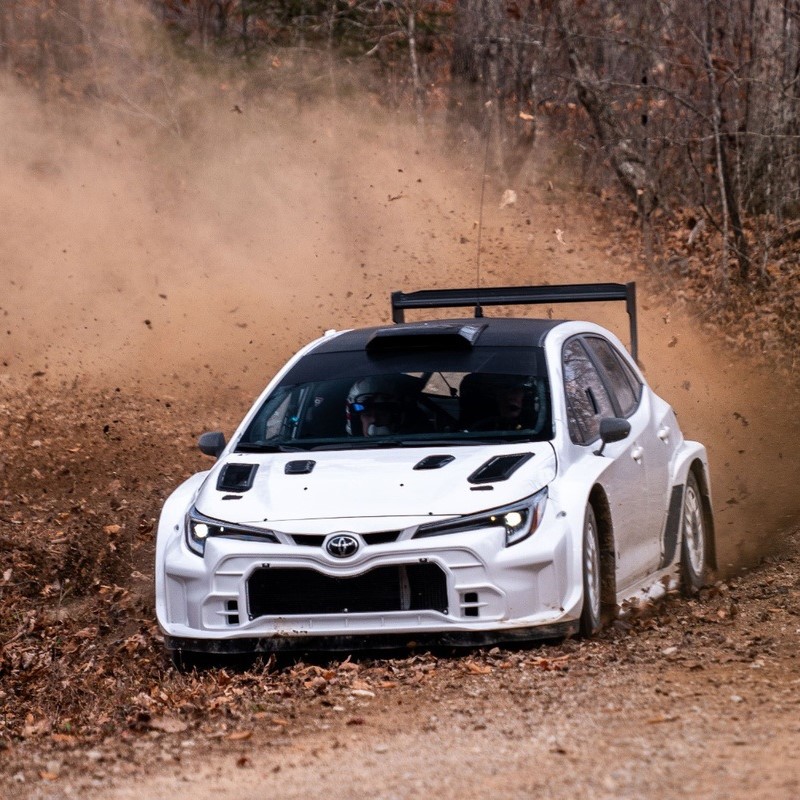
Several elements affect how fast rally cars move during competition. First, surface type plays a major role. On smooth tarmac, cars maintain higher average speeds. Gravel stages force more caution. Loose stones reduce tire grip. Drivers lift off the throttle earlier before turns.
Snow and ice add further challenges. Even studded tires struggle in deep ruts. Braking zones extend. Cornering speeds drop by 20–30%. Visibility worsens in fog or heavy snowfall. As a result, even powerful cars go much slower.
Weather impacts timing too. Rain softens dirt tracks. Muddy conditions increase resistance. Tires clog quickly. This reduces speed and increases the risk of sliding. Drivers adjust lines to avoid puddles and ruts.
Stage length matters. Long special stages allow brief bursts of high speed. Short urban sprints limit full acceleration. Many city-based rallycross tracks cap speeds below 90 mph (145 km/h).
Driver experience is another key factor. Veterans know when to brake late or carry momentum. Beginners err on the side of caution. Co-driver pace notes also help. Clear, accurate calls let drivers commit with confidence.
Vehicle setup influences performance. Suspension tuned for rough ground sacrifices some top speed. Stiffer shocks absorb bumps but reduce stability on flat roads. Teams tweak gear ratios depending on expected speeds.
All these variables explain why rally speed isn’t fixed. It changes every few minutes.
 Acceleration and Handling Over Raw Top Speed
Why Quickness Matters More Than Maximum Velocity
While fans often focus on top speed, acceleration and handling matter more in rally racing. Most stages include tight corners, hairpins, and elevation changes. Full-throttle runs last only seconds. Therefore, how fast a car gets up to speed counts more than its peak number.
Modern WRC cars produce over 380 horsepower. They weigh less than 2,900 lbs (1,320 kg). This gives them incredible power-to-weight ratios. They accelerate from 0 to 60 mph in about 3.4 seconds. Some hit 100 mph (160 km/h) in under 10 seconds.
Turbocharged engines deliver strong mid-range pull. This helps drivers exit corners faster. Sequential gearboxes shift in milliseconds. No clutch lifts are needed. Drivers keep both hands on the wheel.
Handling is fine-tuned through suspension, differential settings, and tire pressure. Softer setups work better on bumpy terrain. Harder suspensions suit smooth tarmac. Adjustable dampers let crews adapt between stages.
Tire choice affects grip. Soft compound tires offer more adhesion but wear faster. Harder rubber lasts longer but reduces cornering speed. Teams decide based on stage length and conditions.
Also, aerodynamics play a growing role. Rear wings generate downforce. This keeps the car planted at high speed. Front splitters cut wind resistance. Cooling ducts prevent engine overheating.
Yet, no amount of tech replaces driver feel. Pilots rely on feedback through the steering wheel. They sense when the rear end starts to slide. Then, they correct instantly.
This blend of quickness, balance, and control defines rally success—not just how fast do rally cars go.
Safety Limits and Regulation Controls
Balancing Speed with Risk Management
Even though rally cars are capable of extreme speeds, safety regulations limit how fast they can go. Organizers set maximum speeds for certain sections. Chicanes, narrow gates, or artificial chutes slow vehicles before dangerous areas.
Roll cages, fire suppression systems, and five-point harnesses protect occupants. These add weight but are mandatory. Safety gear ensures drivers survive crashes at high velocity.
Event planners also use GPS tracking. If a car exceeds allowed speeds on approach roads, penalties apply. Special stages are closed to public traffic. This prevents collisions with bystanders.
Speed traps monitor performance. Officials record top speeds at designated points. This data helps evaluate car behavior and road safety. Fans see this info during broadcasts.
Additionally, tire walls and nets line sharp corners. Air fences stop out-of-control cars. Medical teams stand by at all major events. Immediate response saves lives.
Night stages have extra lighting. Reflective markers guide drivers. Headlights on modern rally cars shine over 300 meters ahead. LED arrays cover wide angles.
Noise restrictions exist too. Loud exhausts disturb local communities. Some rallies require sound-dampening mufflers. These don’t affect speed but ensure neighbor relations stay positive.
All these controls show that speed is managed carefully. Racing fast doesn’t mean ignoring safety.
 Real-World Examples of High-Speed Stages
Famous Routes Where Rally Cars Fly
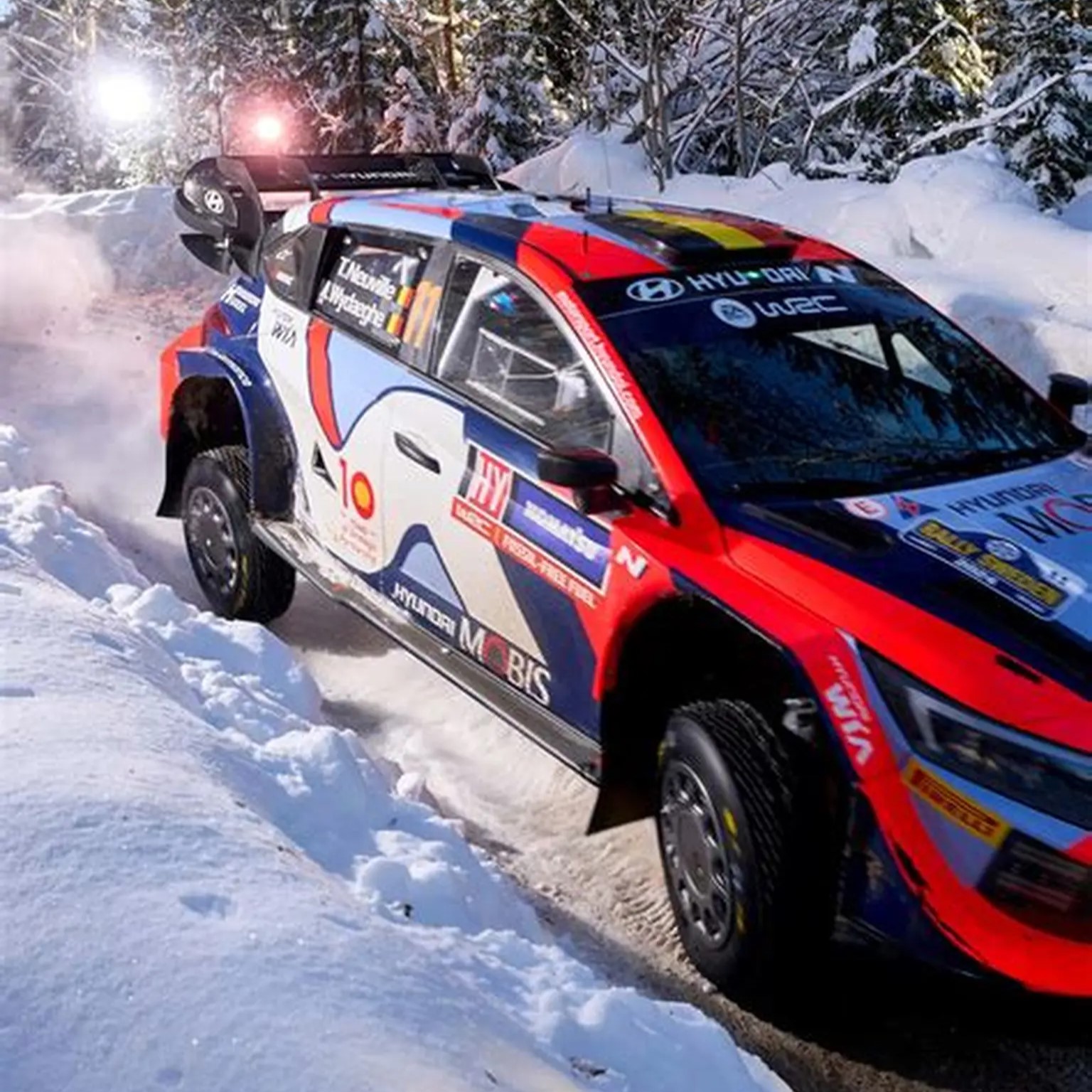
Certain rally stages are known for allowing high speeds. One of the fastest is the “Colin’s Crest” jump on Rally Sweden. Cars launch into the air at over 110 mph (177 km/h). They soar nearly 130 feet (40 meters). Landing requires perfect timing and shock absorption.
In Rallye Monte Carlo, long mountain descents let drivers reach 125+ mph (200 km/h). However, black ice and fog appear without warning. This forces sudden braking. The mix of speed and danger defines the event.
Safari Rally Kenya features wide-open plains. Competitors hit 130 mph (209 km/h) on dry riverbeds. Dust clouds reduce visibility. Drivers follow precise pace notes to avoid rocks and ditches.
Wales Rally GB used to host long forest roads. Smooth tarmac and gentle curves allowed 120+ mph runs. Fog and standing water created hazards. Mistakes led to massive slides or rollovers.
Argentina’s mountain stages climb over 9,000 feet. Thin air reduces engine power. Yet, gravity-assisted downhill sections reach high speeds. Drivers brake hard before blind switchbacks.
These examples prove that high speed exists—but never without risk. Knowing how fast do rally cars go means understanding where and why they push limits.
 Frequently Asked Questions
Common Concerns About Rally Car Speed
How fast do rally cars go on average? Between 60–90 mph (97–145 km/h), depending on terrain and stage difficulty. Top bursts exceed 130 mph.
Do electric rally cars go as fast as gas models? Not yet. Battery weight and cooling limit top speed. But acceleration is strong.
Can rally cars beat F1 on straight-line speed? No. F1 cars reach 220+ mph. Rally cars prioritize handling over pure velocity.
Why don’t rally cars go faster? Roads aren’t designed for high speeds. Safety, grip, and navigation limit pace.
Is speed measured electronically? Yes. GPS and timing loops track exact speeds at checkpoints.
Do drivers manually shift gears? Most use paddle shifters. Gearboxes are semi-automatic.
Are there speed records in rallying? No official records. Speed varies too much by event and year.
Where can I watch high-speed rally action? WRC Live, YouTube channels, and motorsport networks stream full events.
 Final Thoughts
Respecting Speed, Skill, and Engineering Together
Understanding how fast do rally cars go involves more than numbers. It combines machine capability, human courage, and environmental factors. While top speeds impress, the real story is in control, adaptation, and endurance.
Rally drivers don’t just go fast—they manage speed intelligently. They read terrain, trust co-drivers, and respond to changing conditions. Victory goes to those who balance aggression with awareness.
Cars are engineered to survive brutal punishment. Every component—from tires to transmissions—is pushed to the edge. Yet, they keep running stage after stage.
As technology advances, speeds may rise slightly. Hybrid systems could improve responsiveness. Materials might get lighter and stronger. But terrain will always limit pure velocity.
Ultimately, the beauty of rallying lies in its unpredictability. One moment, a car flies over a crest at 120 mph. The next, it crawls through mud at 20 mph. That contrast is what makes the sport unique. And that’s why knowing how fast do rally cars go reveals only part of the magic.

